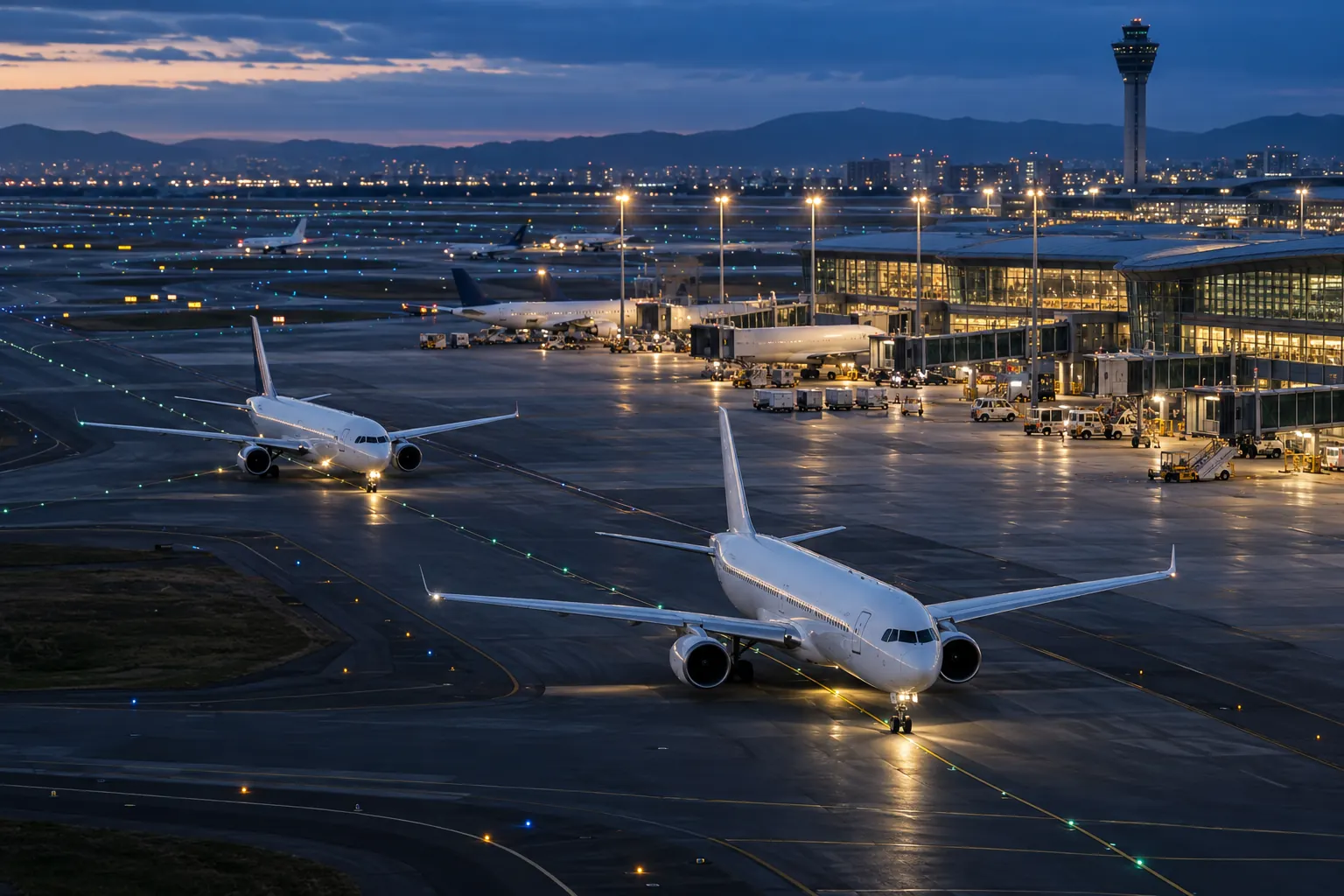
Essential dossier · Global aviation
The decisions shaping tomorrow’s air network
Independent reporting and clear analysis of airlines, airports, aircraft, routes and the passenger experience—published in six languages.
Read the analysis
Essential dossier · Global aviation
Independent reporting and clear analysis of airlines, airports, aircraft, routes and the passenger experience—published in six languages.
Read the analysisInternational edition
Original analysis and practical explainers to understand commercial aviation beyond the headline.
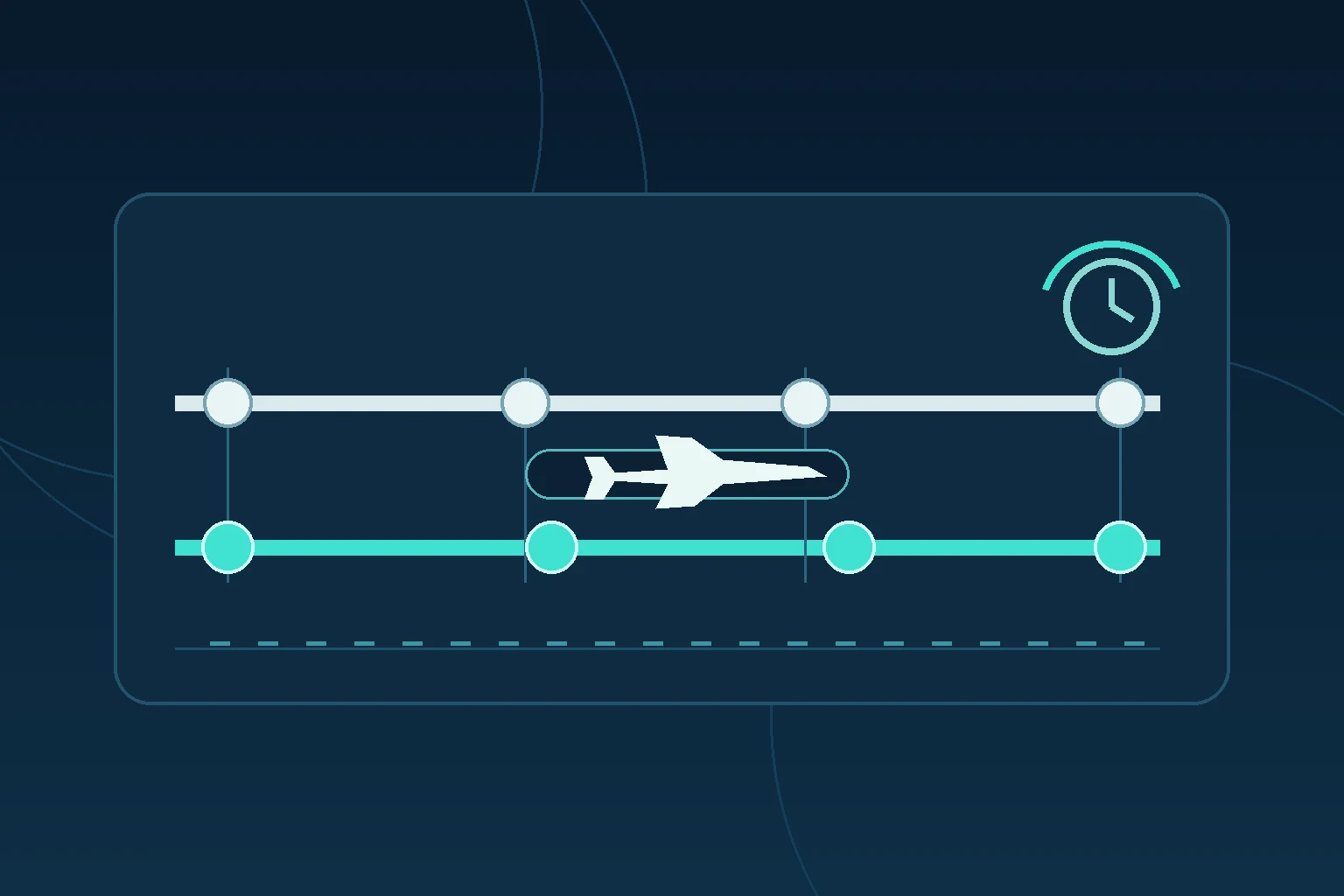
Departure and arrival punctuality use different moments; thresholds, cancellations and schedule buffers can change the comparison.
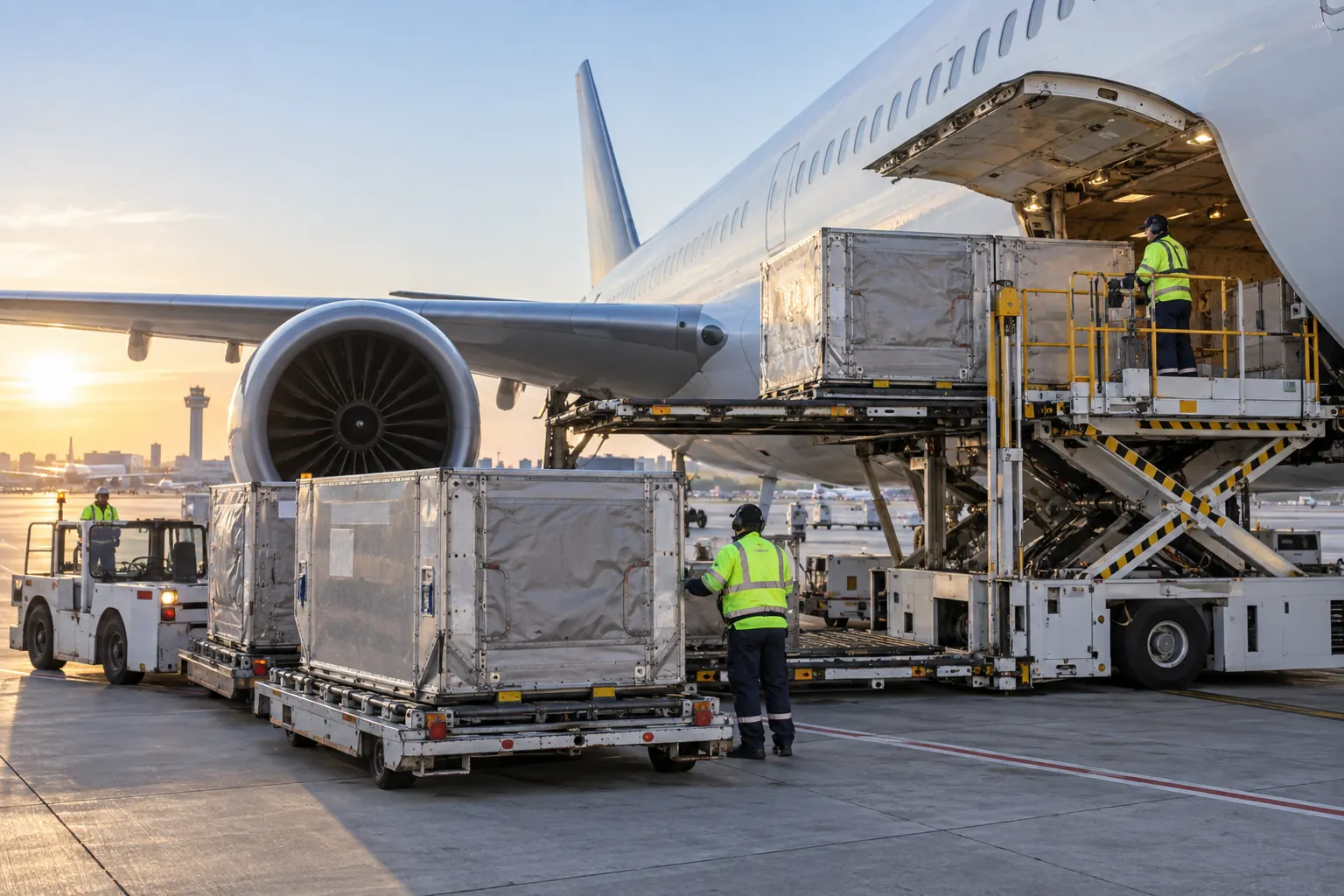
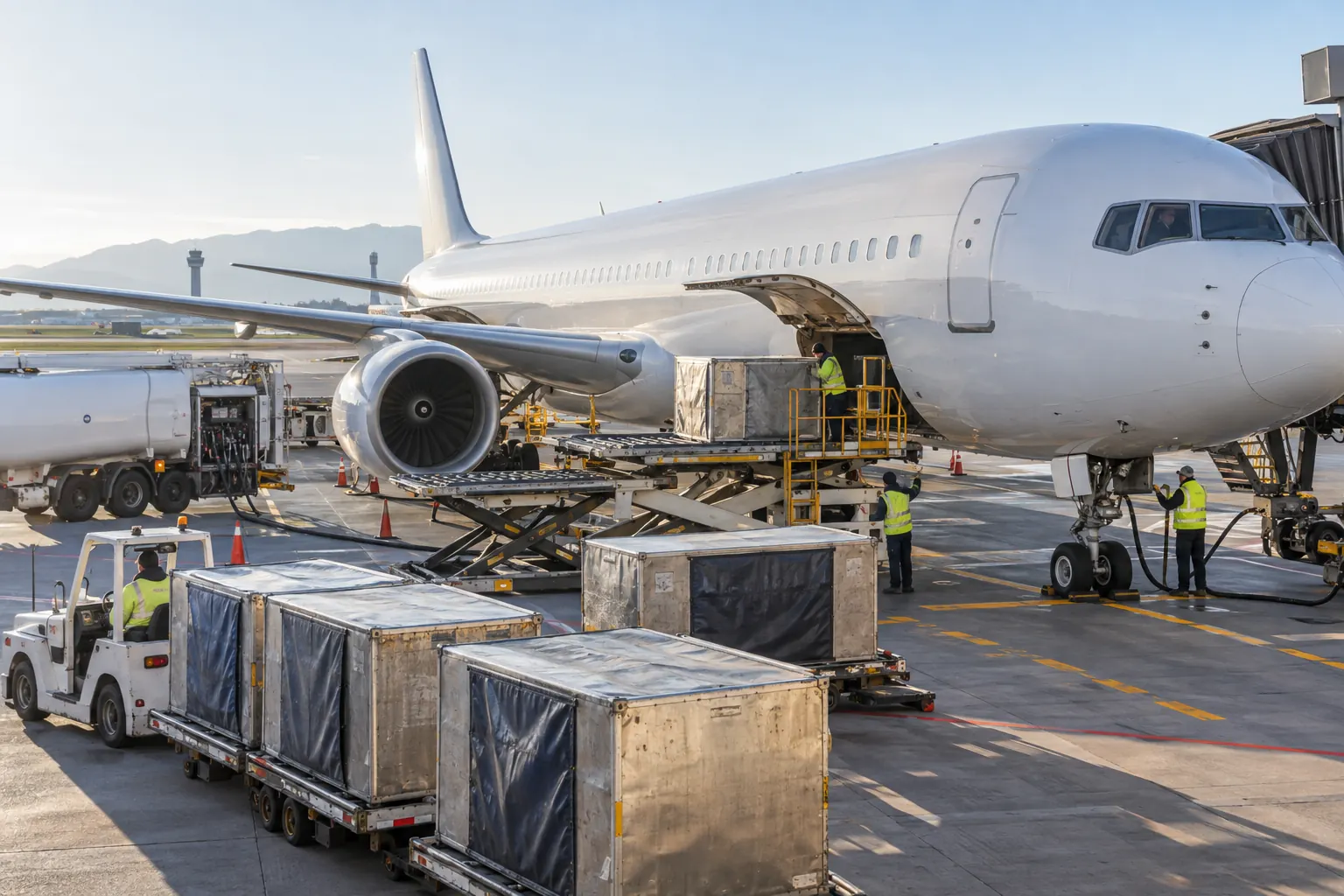
Passenger aircraft carry cargo in their lower holds, making flight schedules and fleet choices part of the freight network.
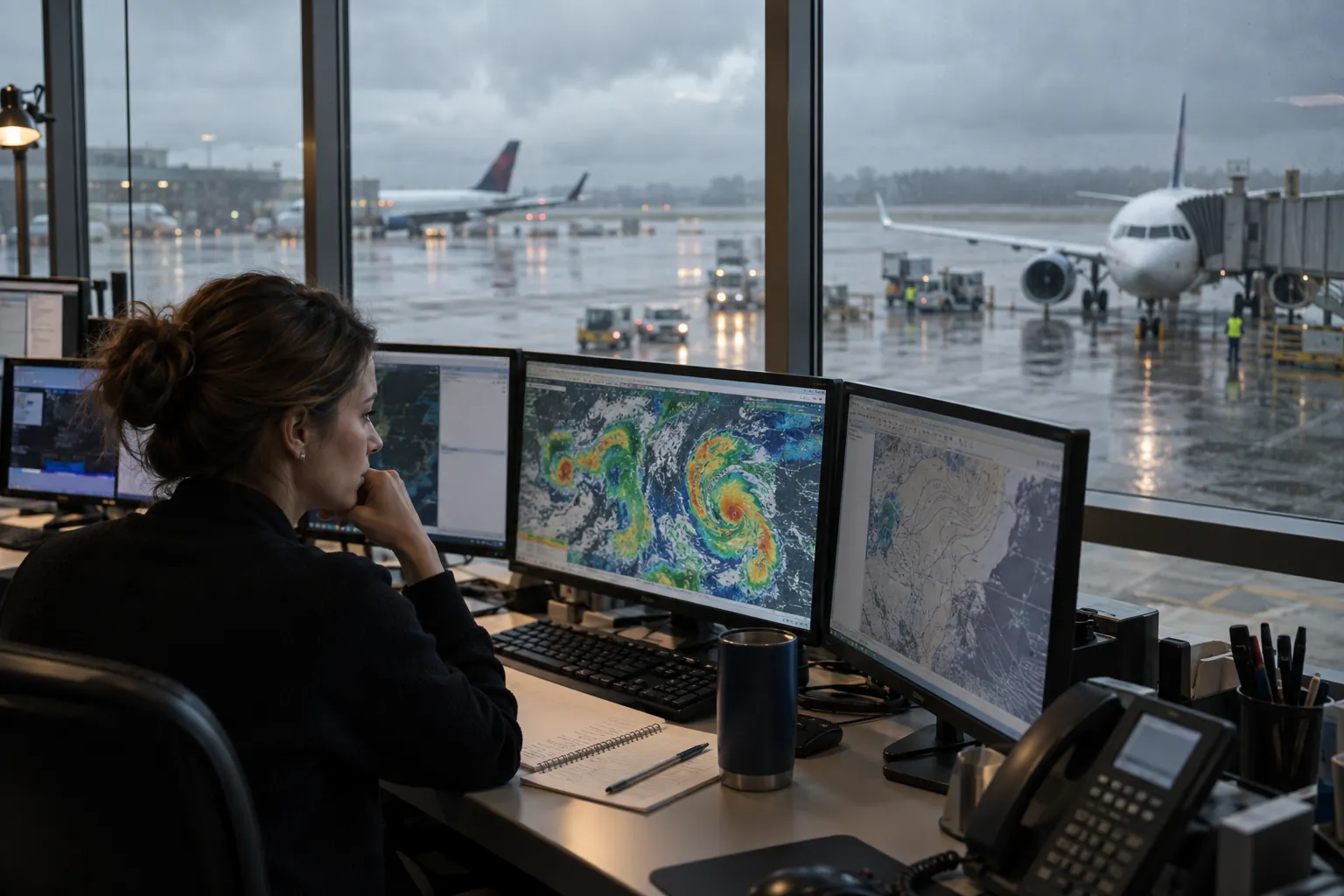
METAR reports observed airport weather; TAF describes expected conditions over a defined forecast period.
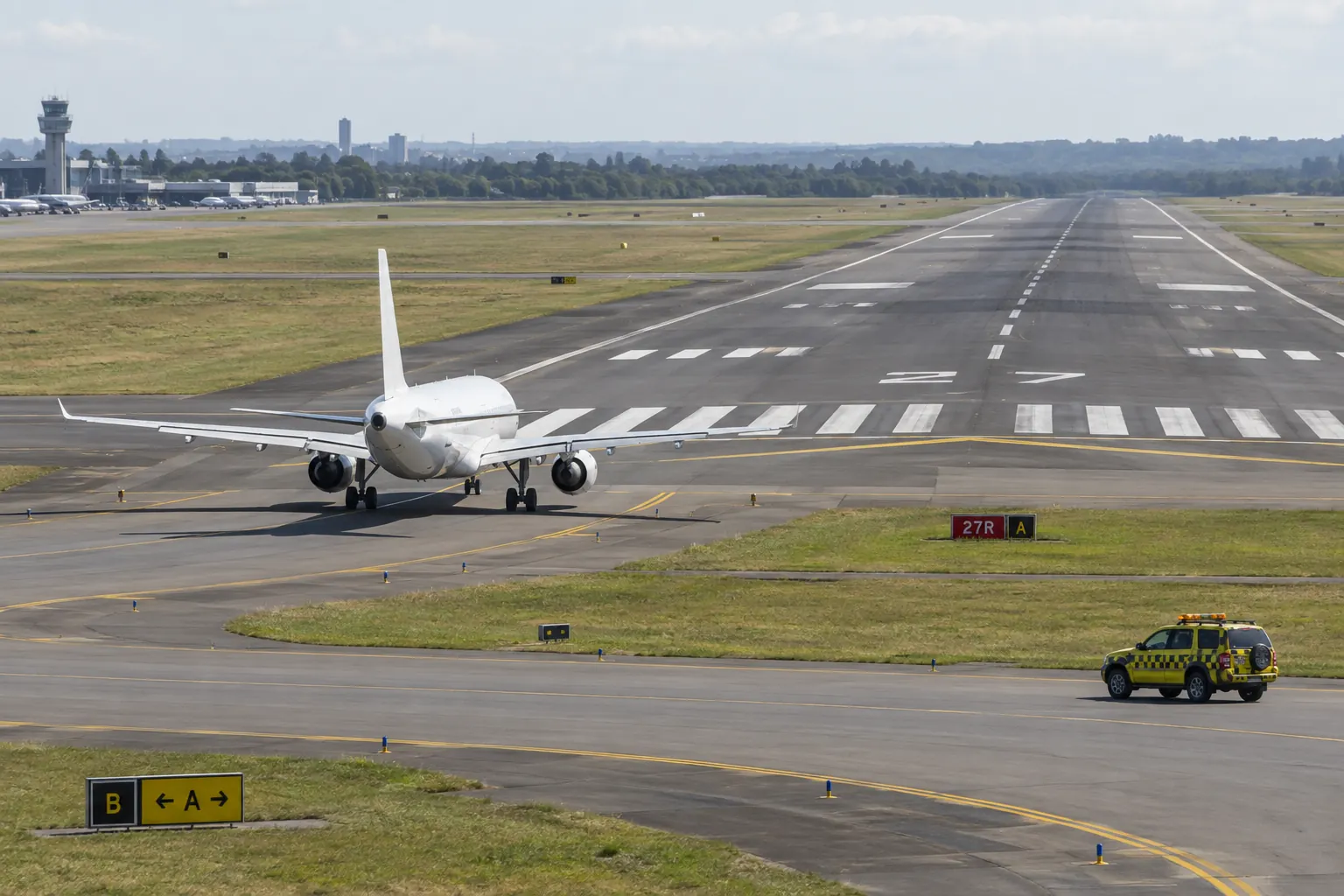
A runway incursion is an incorrect presence on a protected runway area; prevention depends on people, procedures and clear airport design.
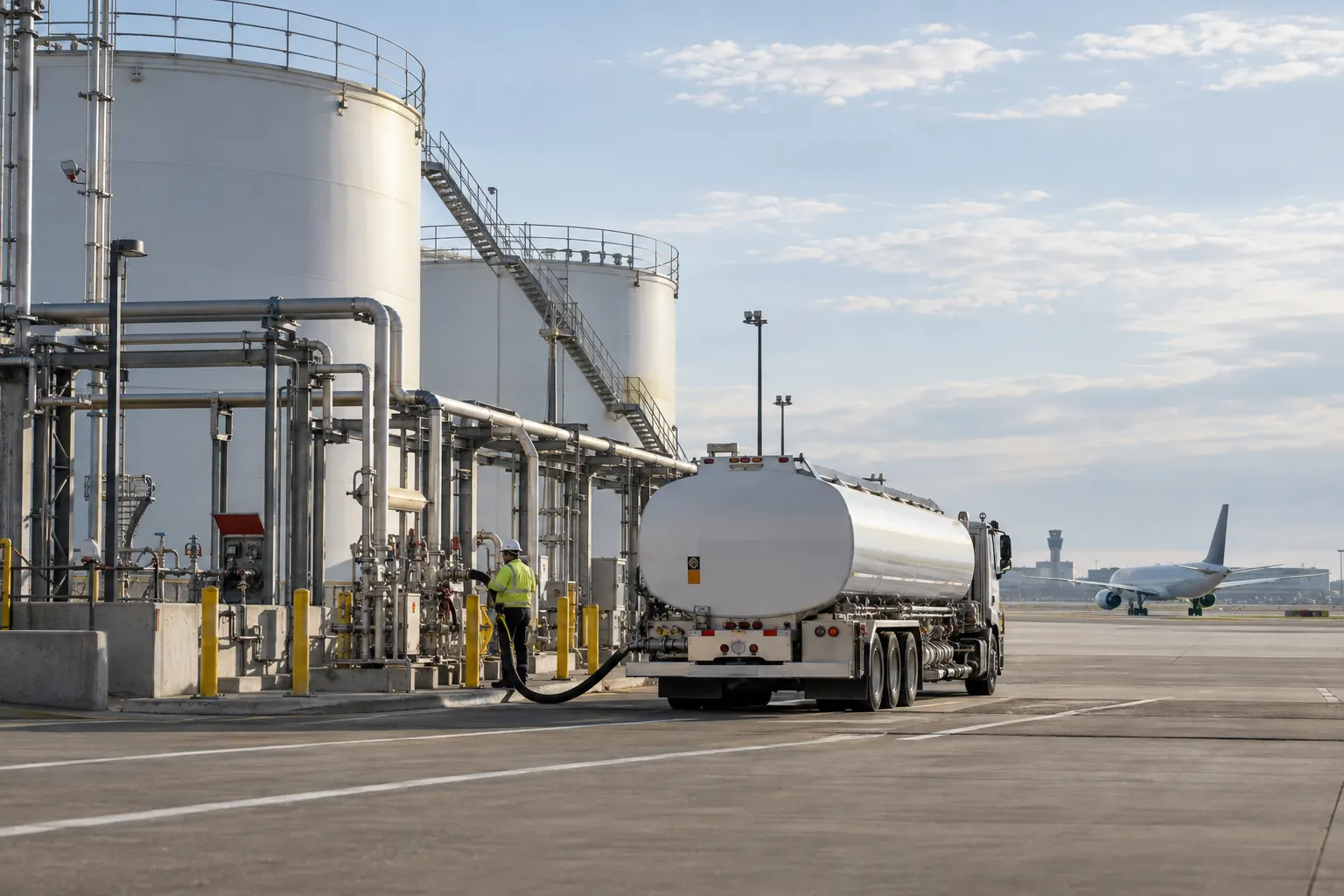
Sustainable aviation fuel is assessed across its supply chain, not only at the aircraft exhaust.

Verified digital credentials may reduce repeated document checks where participating systems connect.
The distance a jet can fly depends on payload, fuel, weather and operating limits.

A bilateral agreement can define which airlines may fly between two states and under what rights.
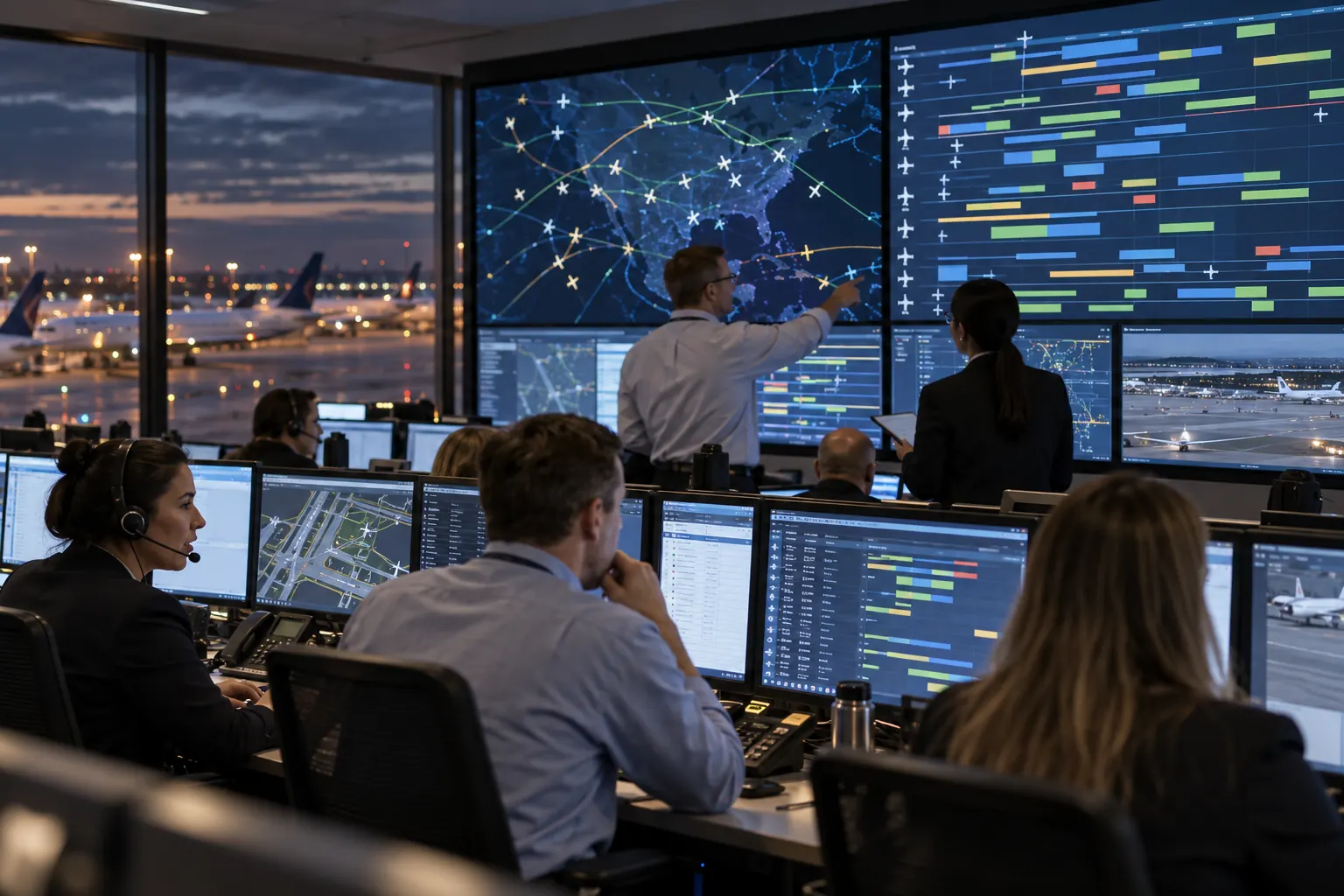
A delayed flight can affect aircraft, crews and passengers across a network.

Assistance works best when booking, airline, airport and ground teams share clear information.
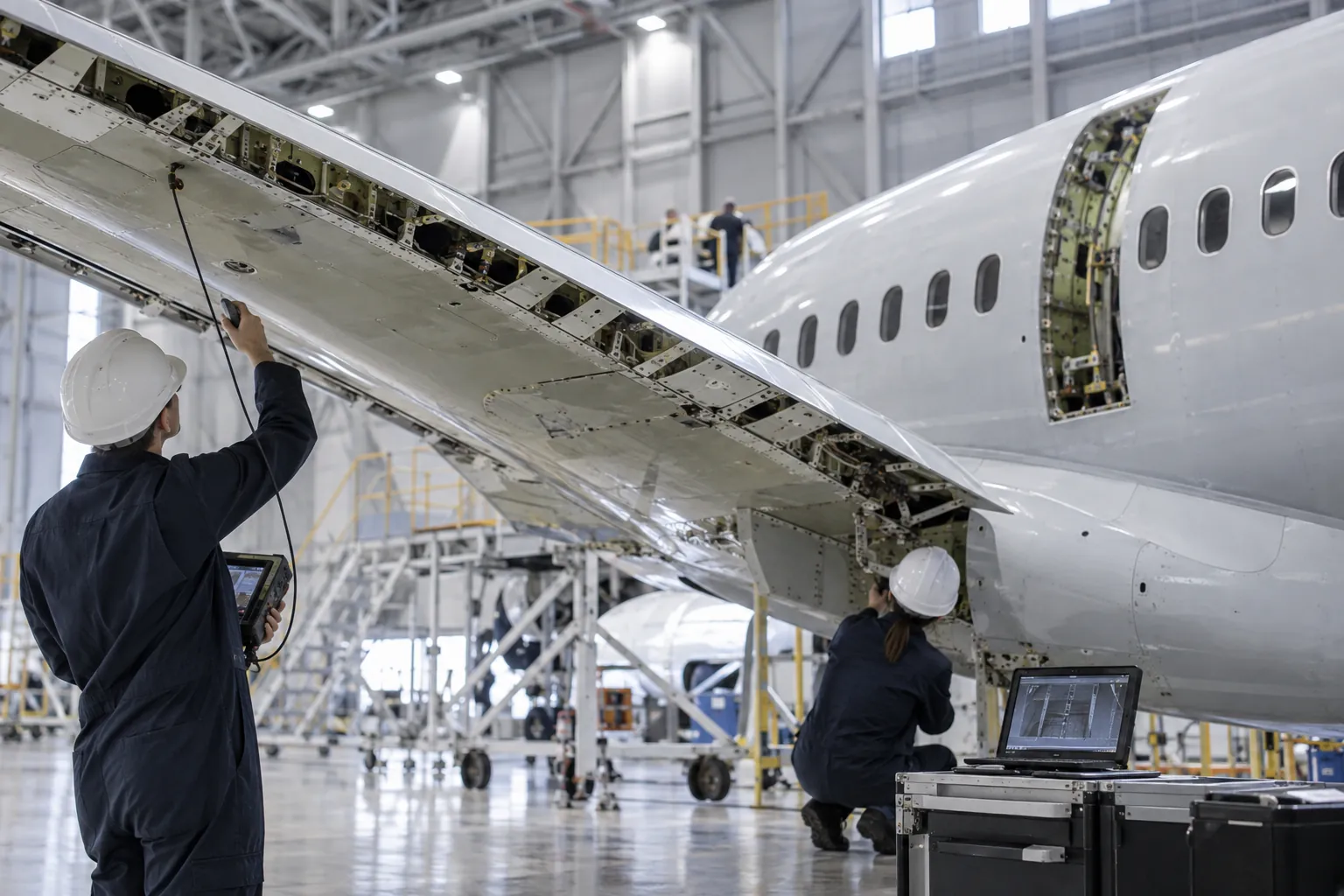
Design approval, production approval and an individual aircraft’s airworthiness are different steps.
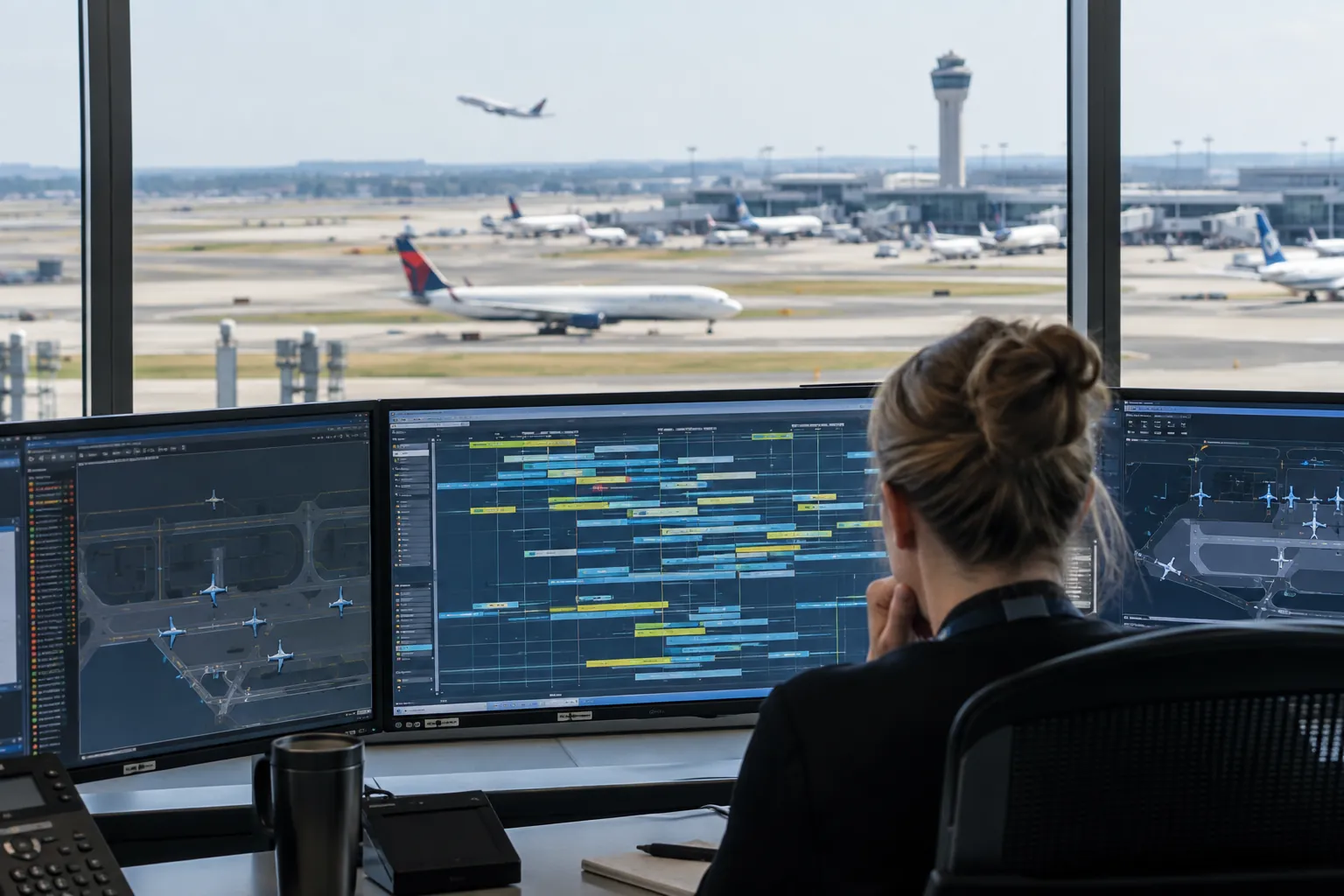
A slot coordinates access to a congested airport, but it does not guarantee a punctual flight.

MCT is the shortest scheduled interval accepted for a defined transfer, not a guarantee that every passenger will comfortably make it.
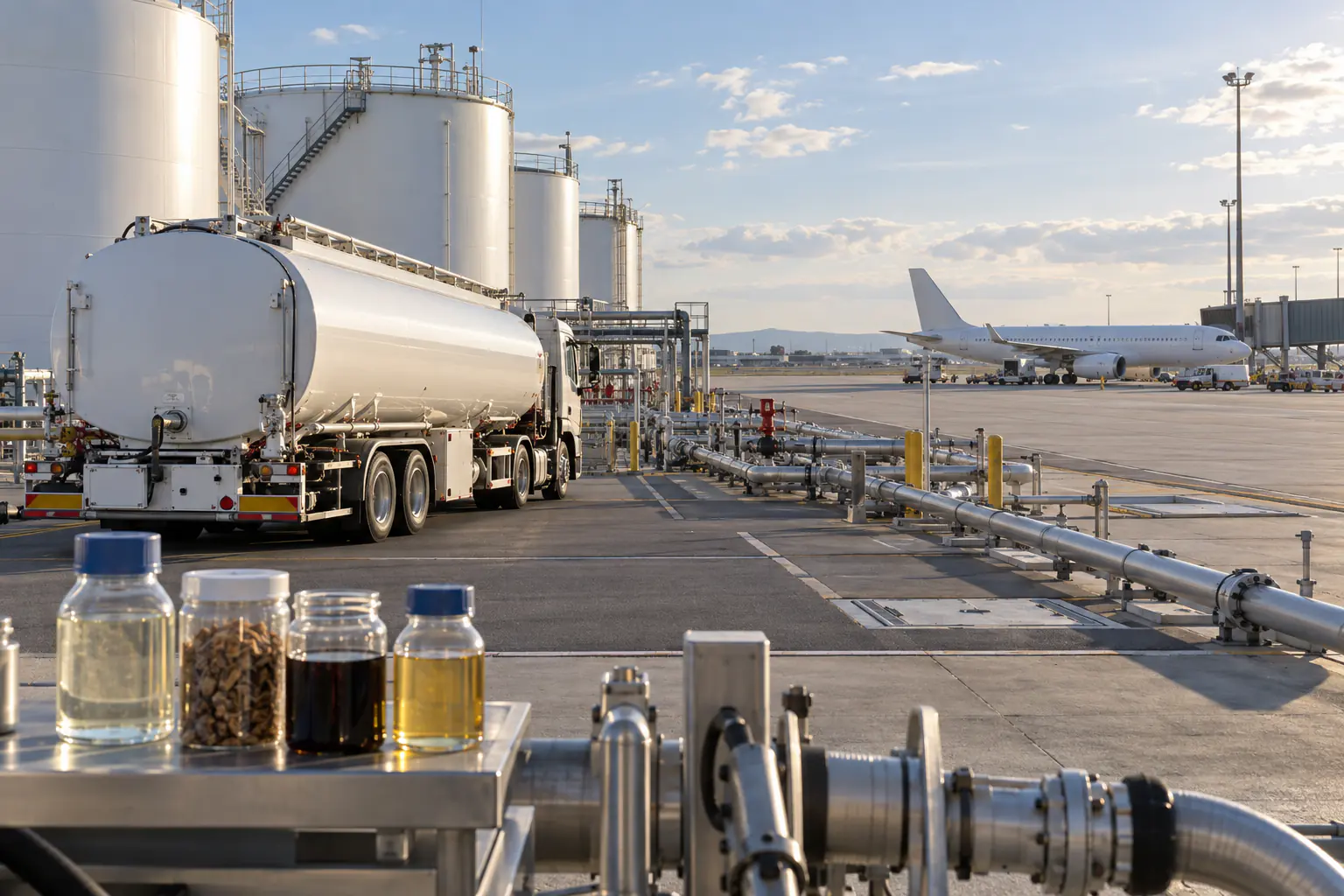
Physical sustainable aviation fuel can enter one airport while its verified emissions benefit is assigned to a buyer elsewhere.

A great-circle track is a baseline, but winds, weather, airspace, performance and traffic constraints shape the filed route.
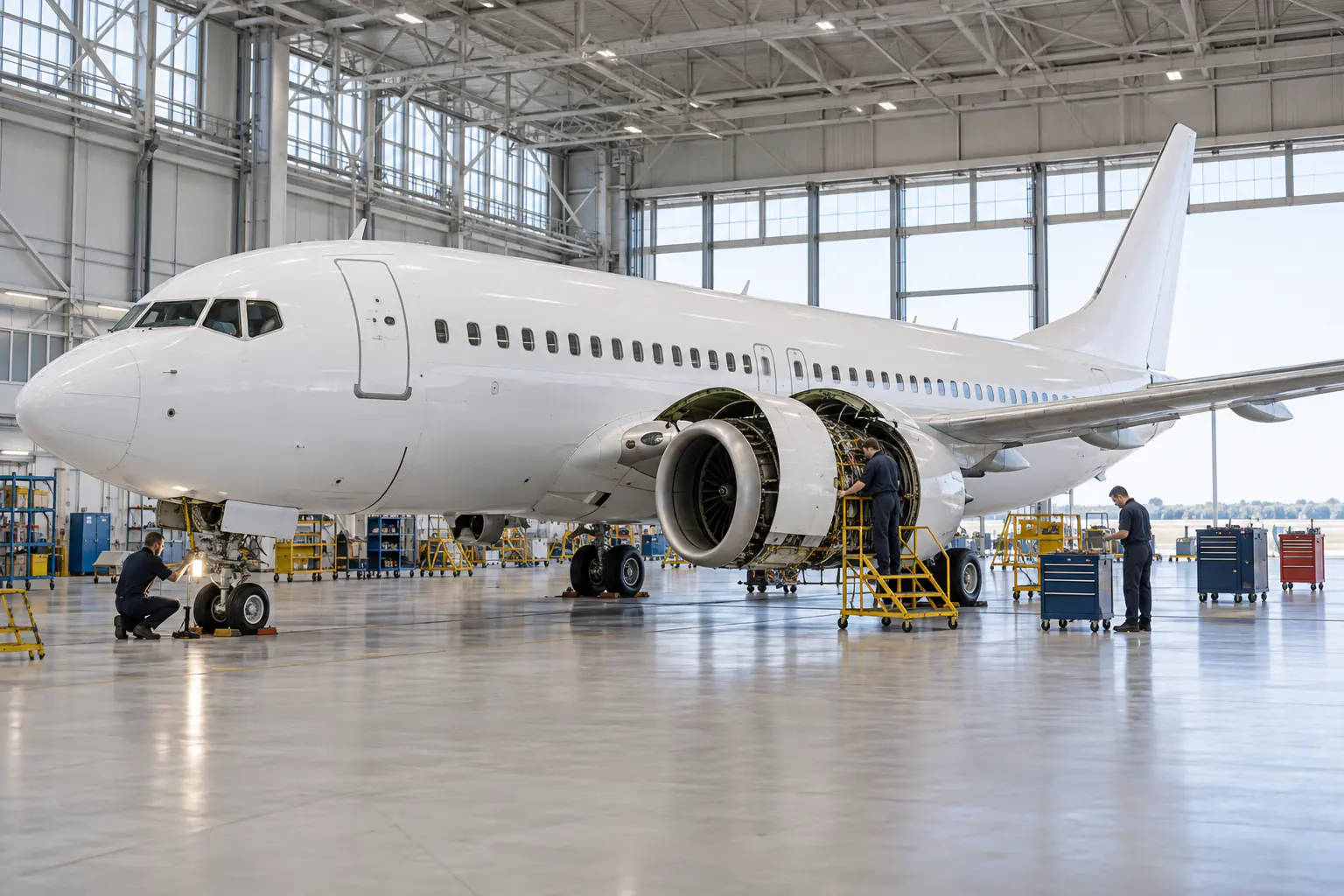
Commercial aircraft are maintained through tasks built around time, flight hours, cycles, condition and mandatory instructions.

Removing contamination and protecting clean surfaces are different tasks, and neither creates an unlimited window for take-off.
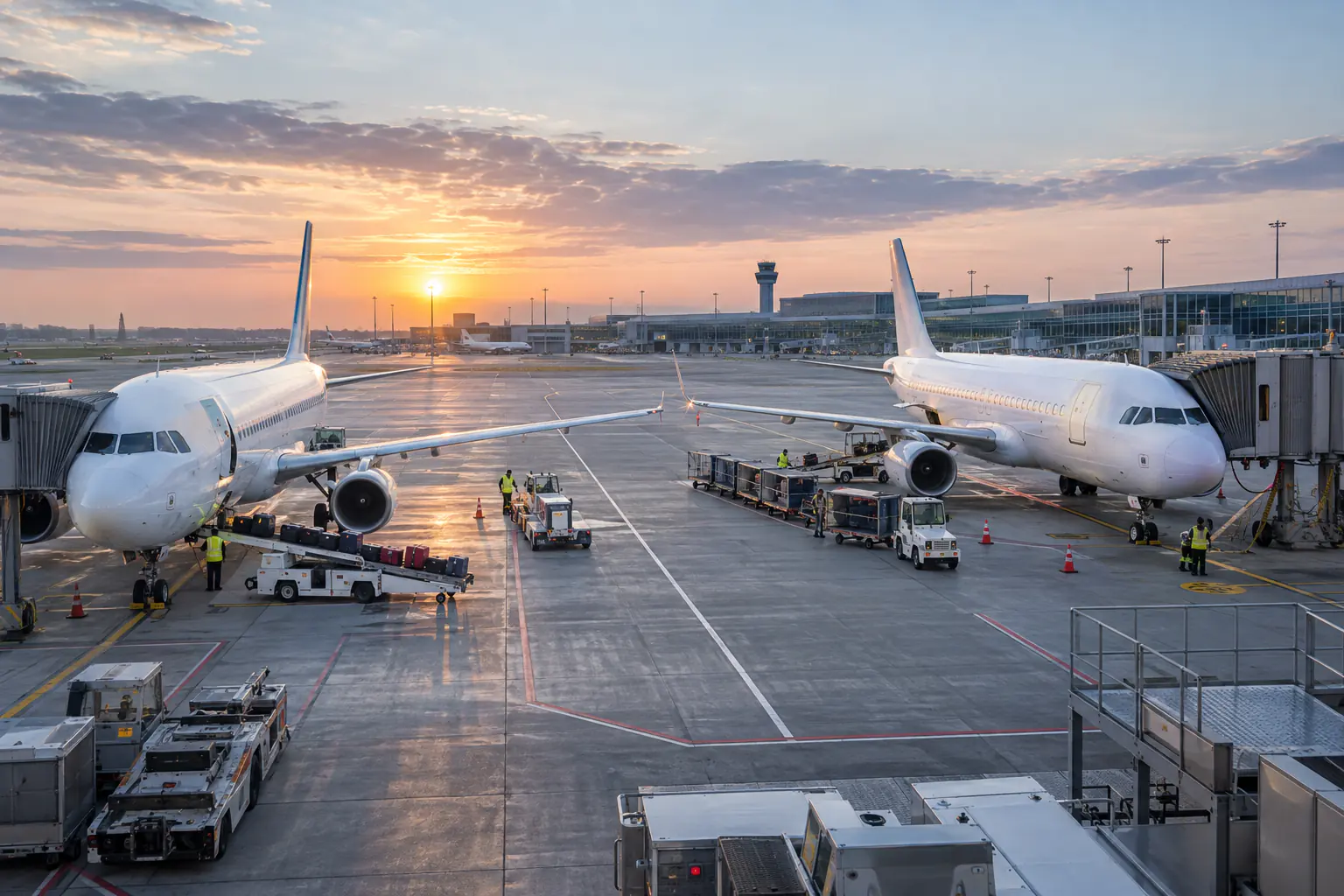
A single itinerary can involve several airlines, but the agreement behind it changes who sells, operates and supports each flight.
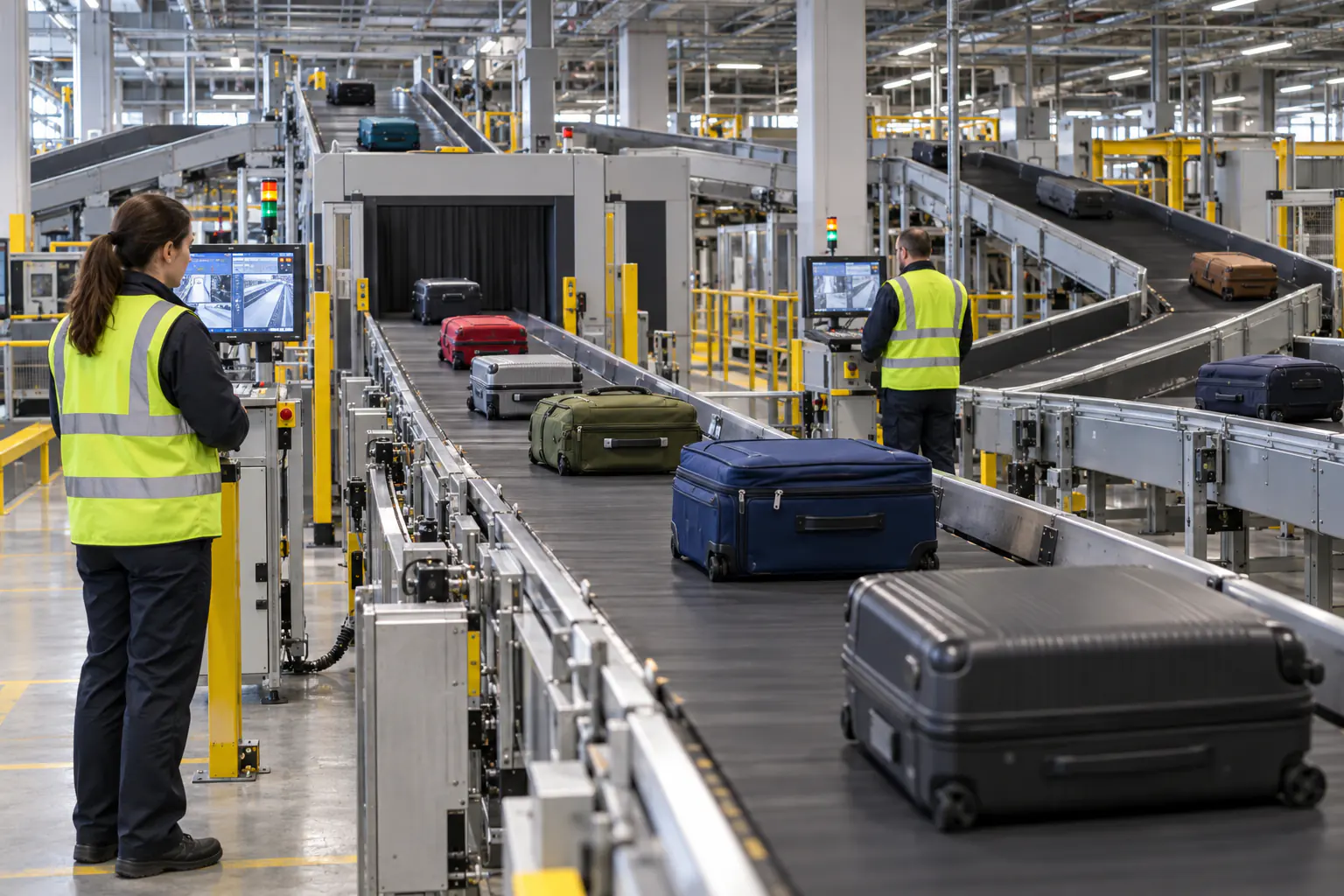
Bag tags, minimum connection times, security rules and transfer systems decide whether luggage follows the passenger through a hub.

Some persistent contrails form only in cold, ice-supersaturated air, creating an opportunity to test small altitude changes.

Demand forecasts, aircraft time, airport slots and local sales determine whether a route flies all year, for one season or only a few weeks.

Long-range operations depend on approved aircraft, trained operators, suitable diversion airports and conditions that are checked for every flight.
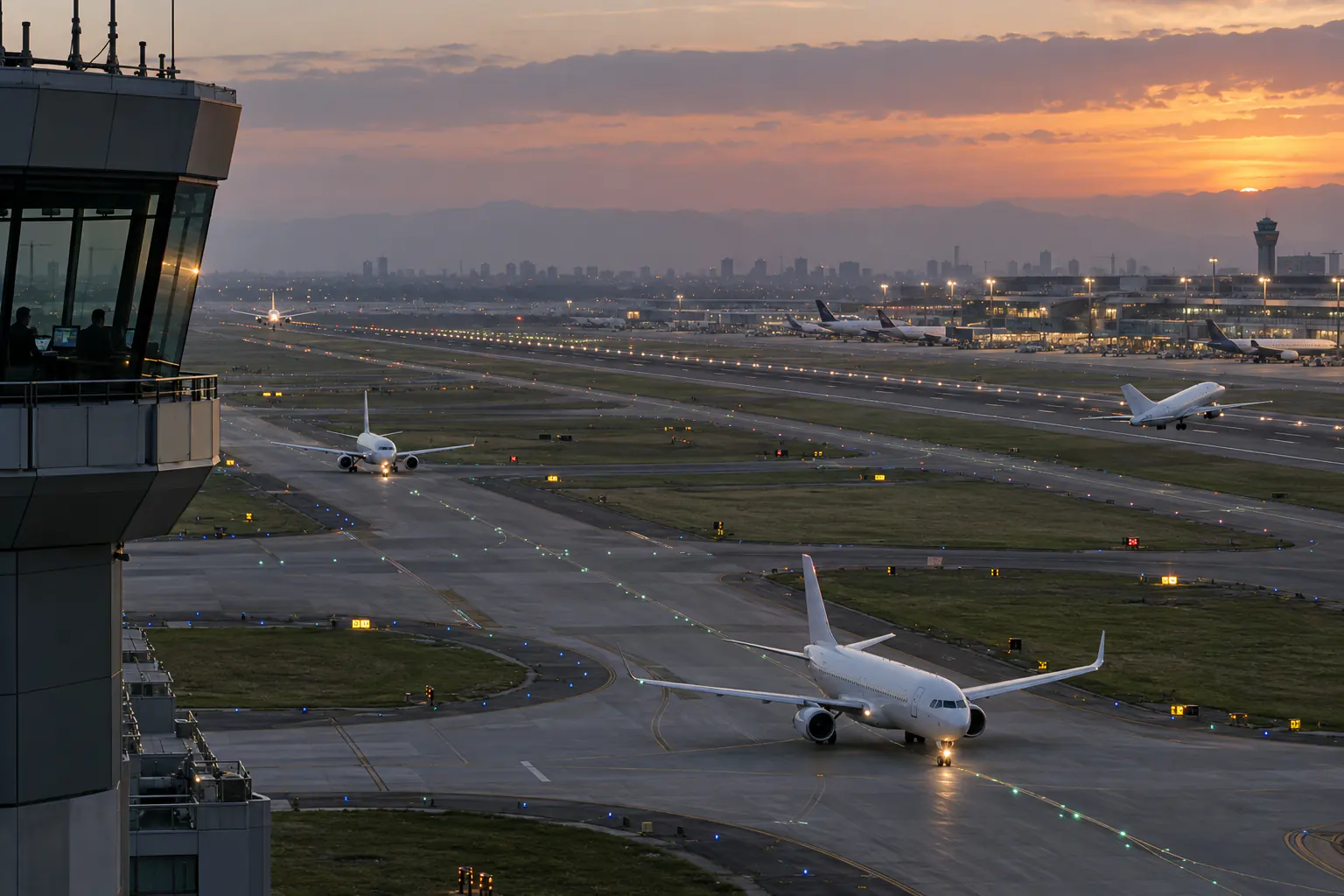
Runway geometry, wake separation, weather, taxiways and terminal constraints determine how many movements an airport can safely handle.
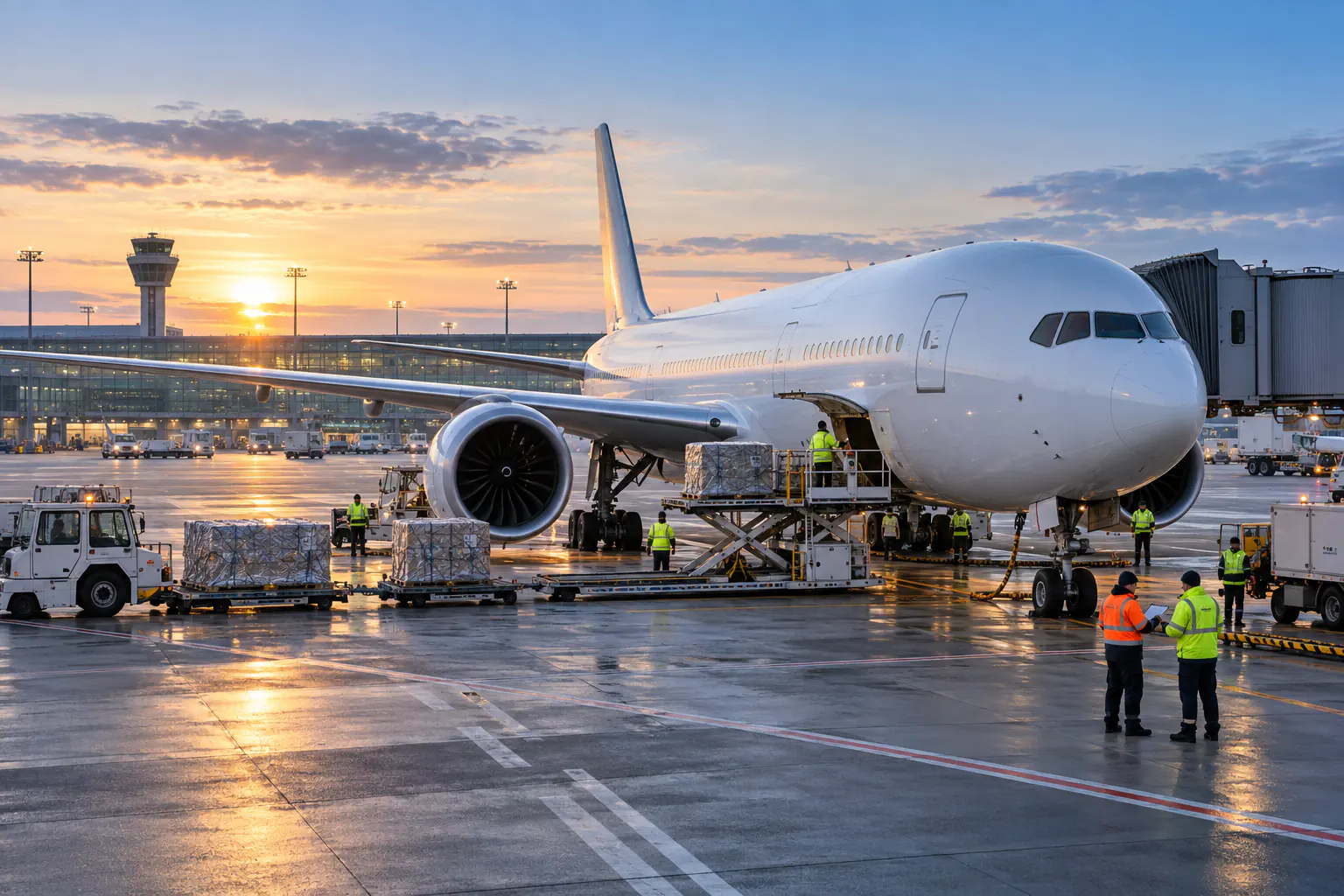
An aircraft can carry one airline’s flight number while another company supplies the aircraft, crew, maintenance and insurance.

Jurisdiction, operating carrier and the cause of disruption can matter as much as the delay itself.

Banks of arrivals and departures create thousands of city pairs—but also concentrate pressure into short windows.

Range and seats attract attention, but training, maintenance and operational flexibility often decide a fleet plan.

SAF can work within today’s aircraft and fuel systems, but supply, feedstocks and price determine how quickly it scales.

These unusual services let an airline carry local passengers between two foreign countries, adding choice and complexity to a market.
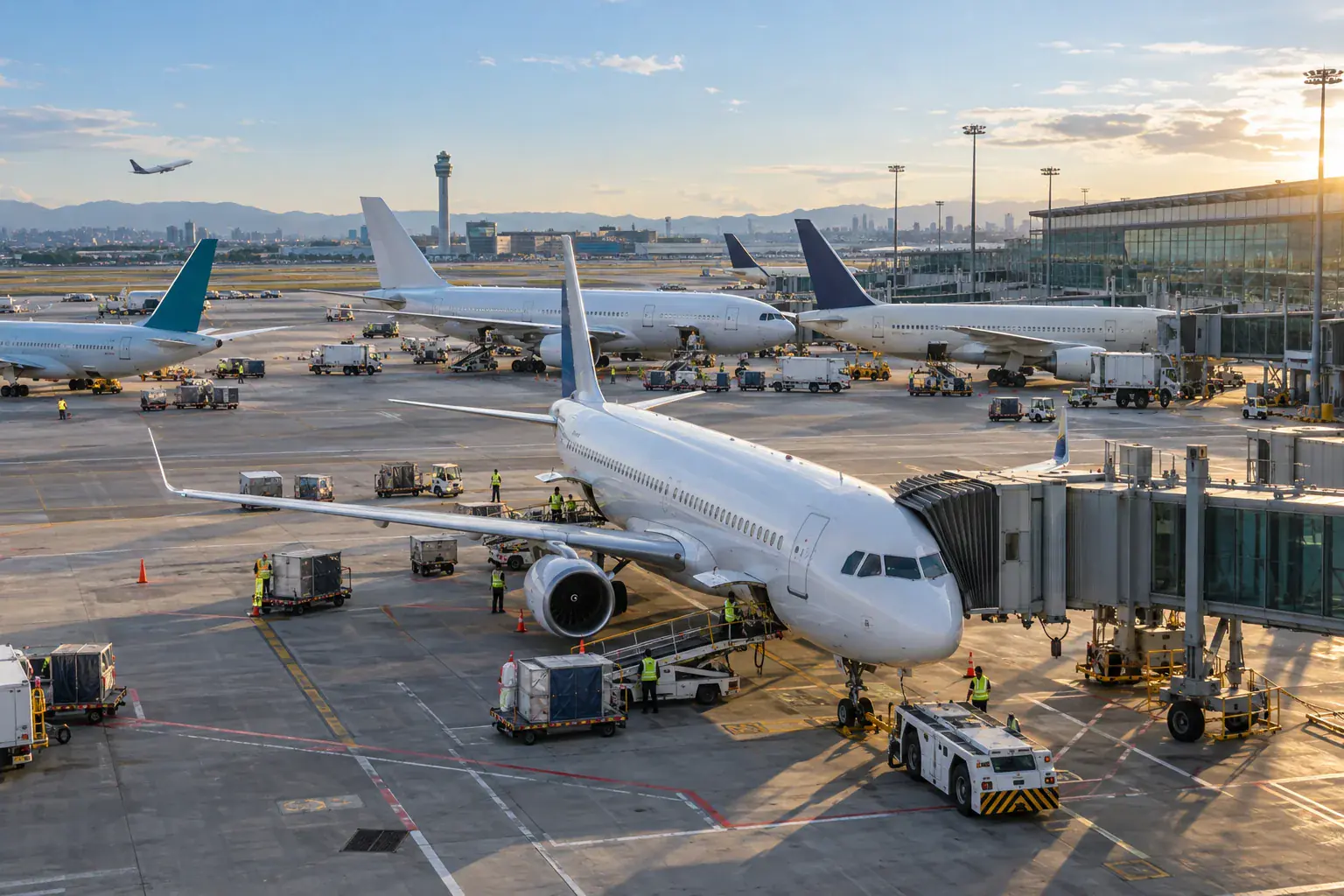
Boarding is only one part of a tightly sequenced operation linking bags, fuel, catering, cleaning, crews and air traffic.
International edition
Follow the industry through the decisions made in the air, on the ground and across the network.
Strategy, operations, economics and partnerships shaping airlines across international markets.
↗02How runways, terminals, ground teams and air traffic systems keep global airports moving.
↗03Fleet technology, performance, maintenance and the choices behind commercial aircraft deployment.
↗04Traffic rights, network planning, connectivity and the economics behind international air routes.
↗05Fuel, climate science and operational measures affecting aviation’s environmental transition.
↗06Practical context for baggage, connections, disruption and the international passenger journey.
↗IFN · International edition
International Flight News separates verified facts, durable context and editorial analysis. Time-sensitive reports identify their primary sources, publication date and material updates.
Editorial policyFAQ
Direct answers to the questions readers ask most often.
Airlines, airports, commercial aircraft, route strategy, sustainability and the passenger experience, with an international rather than national focus.
No. The site is an editorial publication and does not replace airline, airport or air-traffic-control operational notices.
Each edition carries the same core analysis in English, Spanish, French, German, Italian and Portuguese, with alternate-language links on every page.