Bag tags, minimum connection times, security rules and transfer systems decide whether luggage follows the passenger through a hub.
The tag creates the route
The printed and electronic record links the bag to flights and destination. If tickets are separate, the airline may not be able to tag through. Some countries also require passengers to collect bags for customs before rechecking them.
Transfers run on milestones
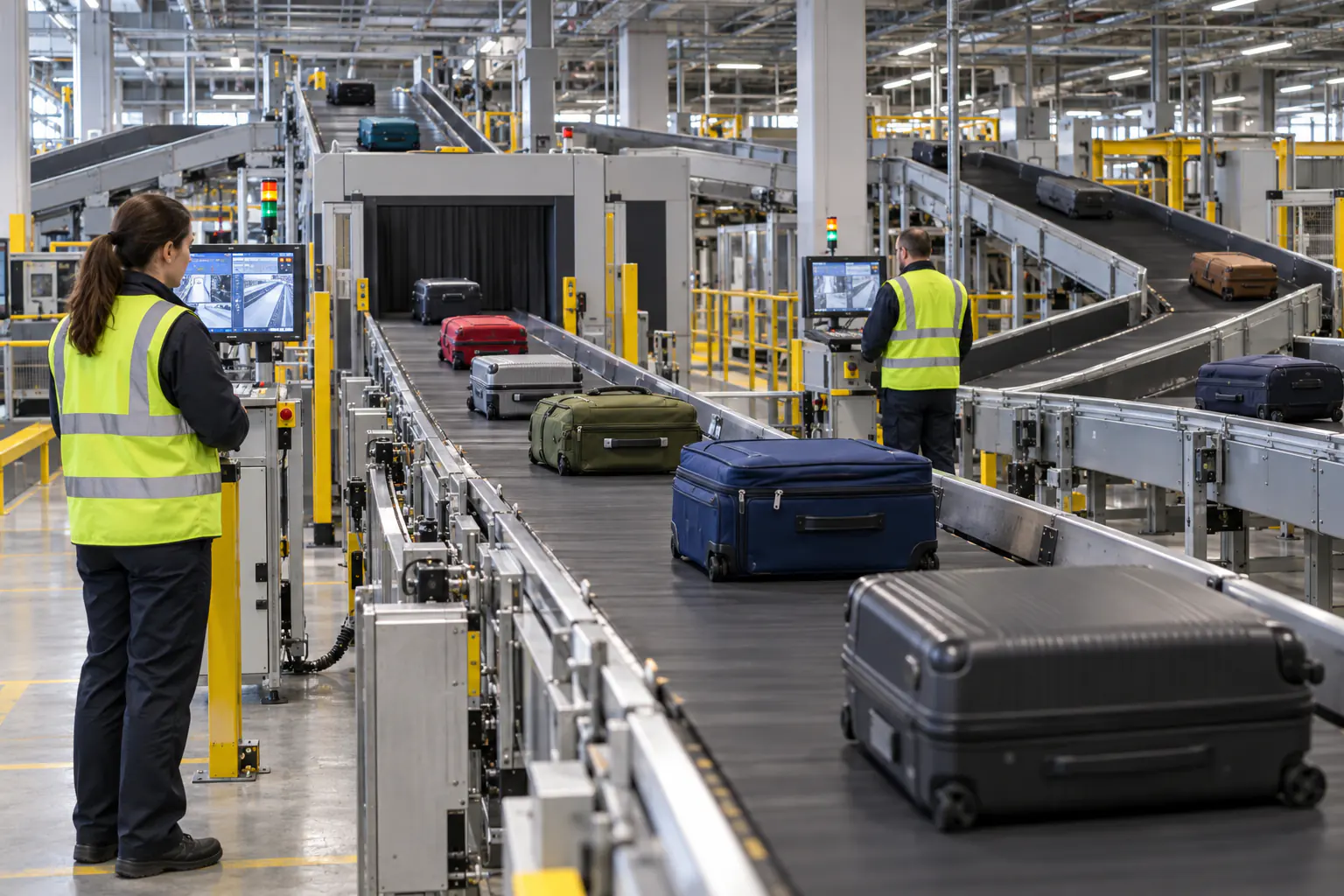
After unloading, bags are scanned into the transfer system, routed through security requirements and sent to the next make-up area. A short connection, late inbound arrival or last-minute gate change reduces the time available for every step.
A useful report is precise
If a bag does not arrive, report it before leaving the reclaim area and keep the reference, tag receipt and essential-purchase receipts. Tracking updates are estimates; the operating airline’s baggage desk remains the primary contact.
What the bag tag can tell you
At check-in, the destination printed on the baggage tag is a useful confirmation of where the bag is intended to be delivered. It does not override customs rules or guarantee an automatic transfer at every connection. Ask whether you must collect and recheck the bag at an intermediate airport, especially when changing tickets, terminals or countries.
International Flight News separates verified facts, durable context and editorial analysis. Time-sensitive reports identify their primary sources, publication date and material updates.