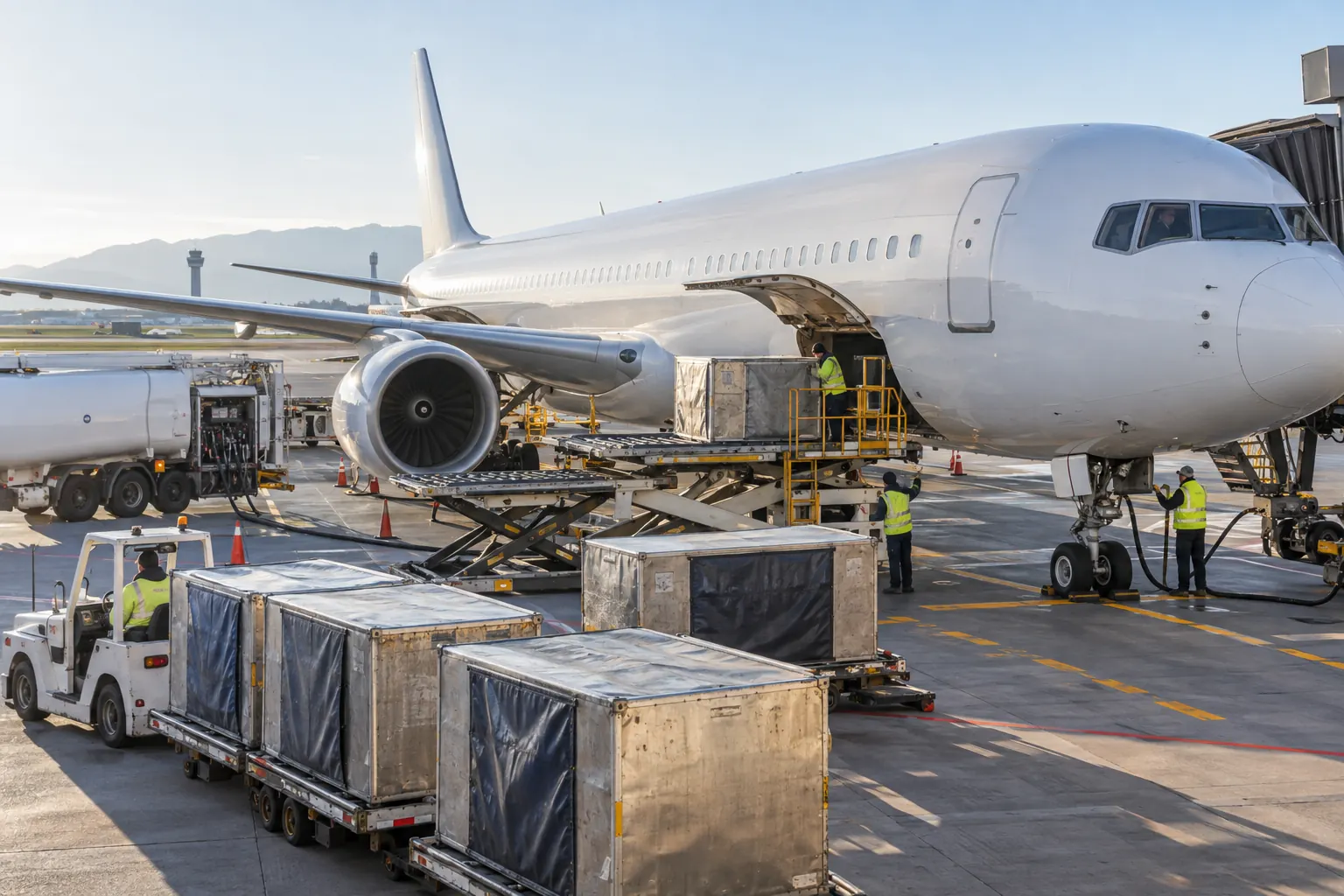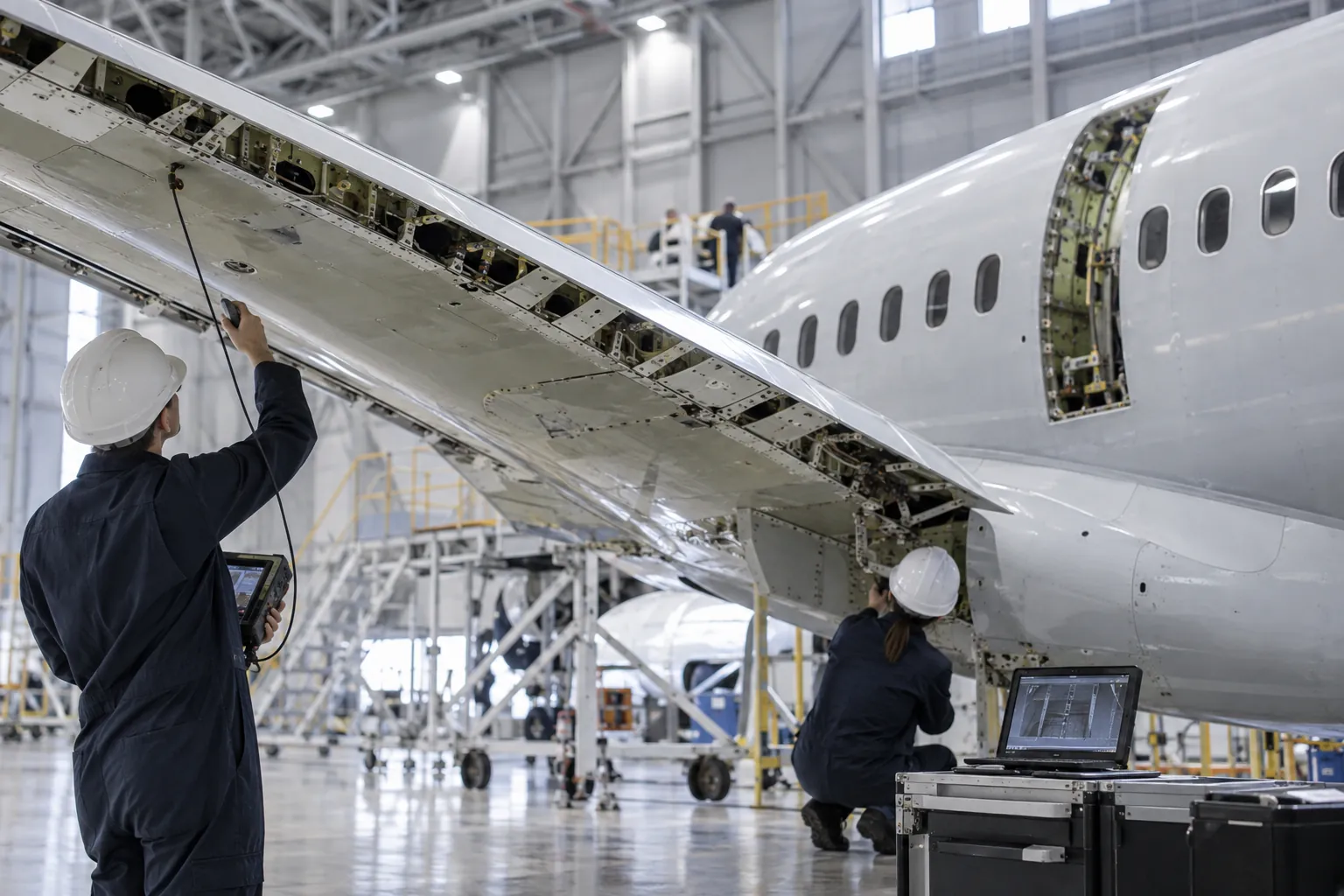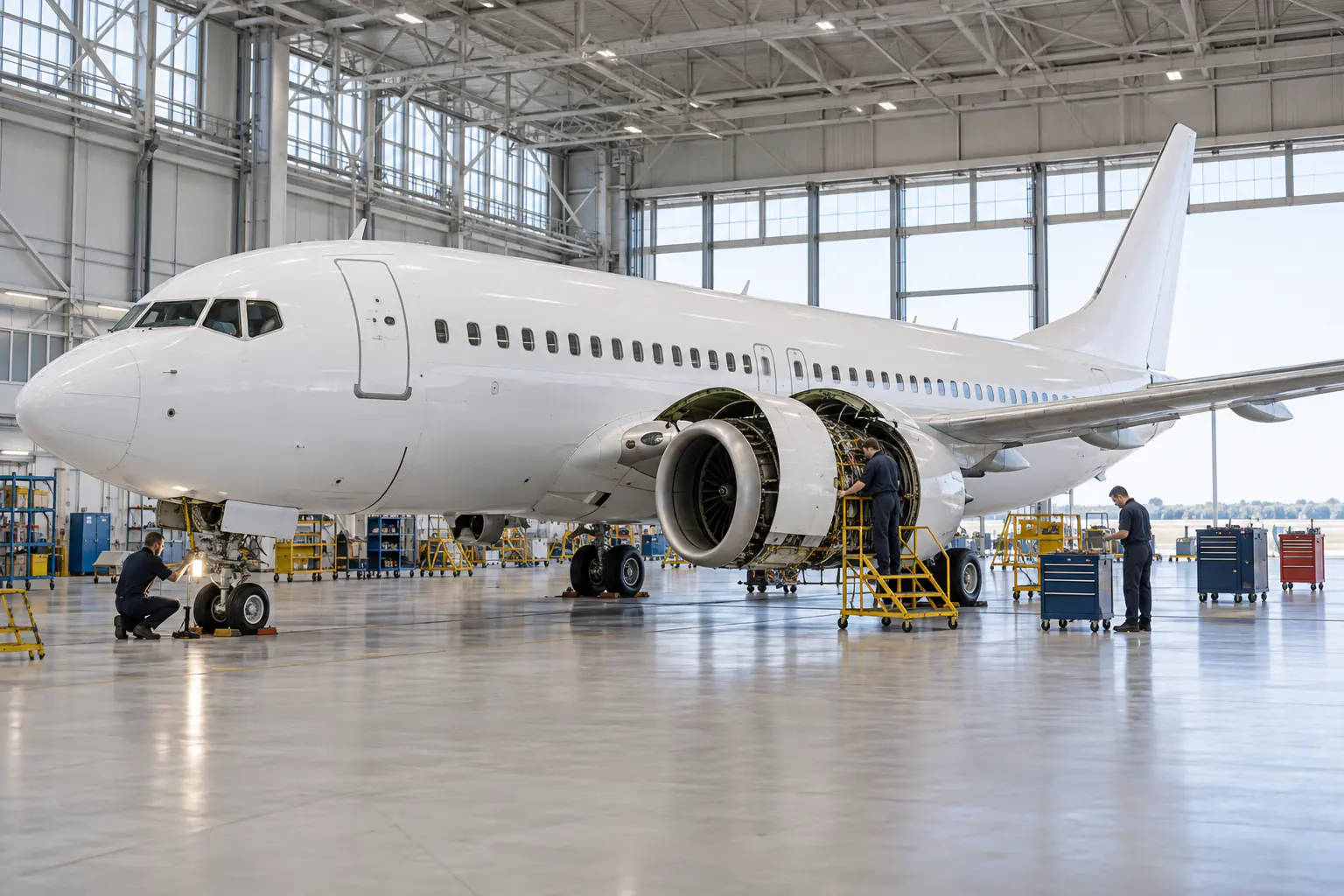
Range and seats attract attention, but training, maintenance and operational flexibility often decide a fleet plan.
Beyond purchase price
Aircraft economics include financing, fuel, maintenance, airport charges and the revenue a cabin can generate. Common systems can also reduce spare-parts variety and simplify how crews move across the schedule.
The value of flexibility
A related aircraft family may let an airline substitute capacity when demand or maintenance changes. That flexibility is valuable during disruption, but concentration on one type can also expose the network to a fleet-wide technical issue.
A long decision horizon
Fleet choices last decades and depend on future routes, delivery positions and infrastructure. The best option on paper may not be available when the network needs it.
Common does not mean identical
Aircraft in one family may still need different engines, cabin equipment, maintenance parts or crew qualifications for particular variants. The value of commonality depends on the operator’s actual fleet and route mix. A lower training burden or easier aircraft substitution can be valuable, but it should be compared with acquisition cost and the capability of the alternative aircraft.
International Flight News separates verified facts, durable context and editorial analysis. Time-sensitive reports identify their primary sources, publication date and material updates.