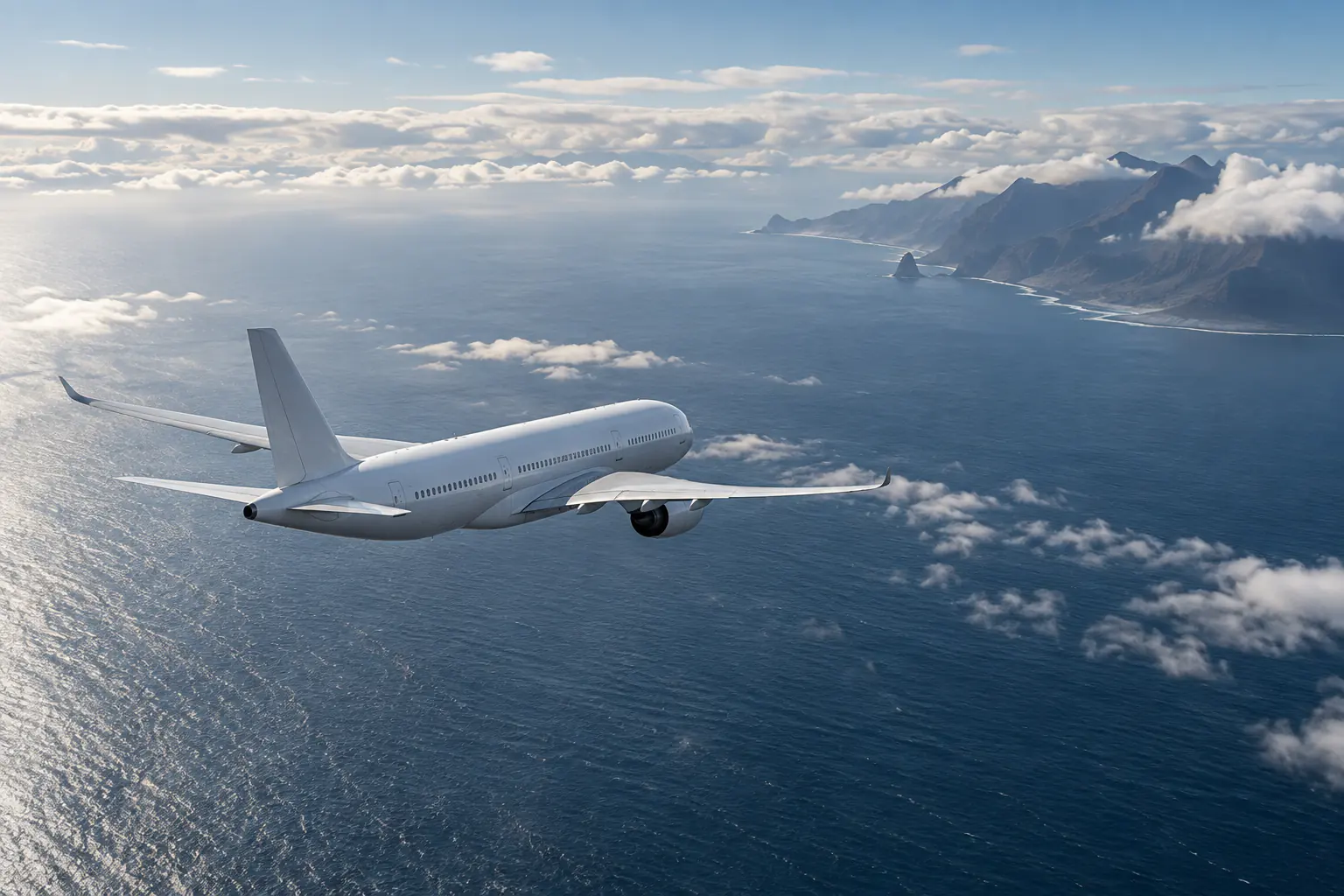
The distance a jet can fly depends on payload, fuel, weather and operating limits.
Weight creates a trade-off
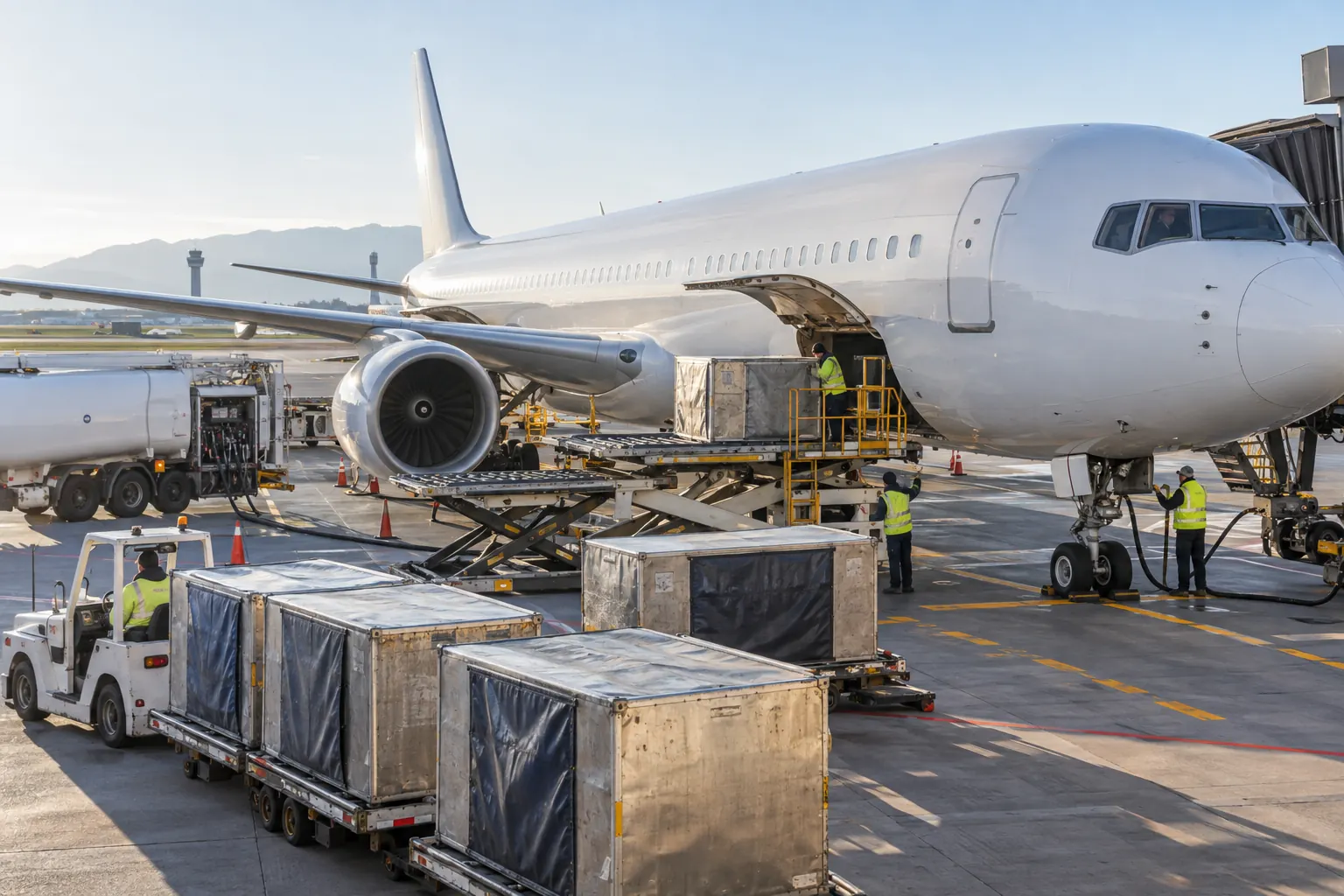
An aircraft cannot always carry its maximum payload and maximum fuel at the same time. The limits include maximum takeoff, landing and zero-fuel weights. As a route gets longer, extra fuel may require less payload.
Conditions change the answer
Winds, routing, reserves, runway performance and temperature alter the fuel needed for a particular flight. Manufacturer charts describe defined assumptions, not a guaranteed schedule for every airline and season.
Read the published figure carefully
Boeing publishes payload-range charts for aircraft planning. Compare like-for-like configurations and units before drawing conclusions from two ranges. A real route also depends on airport and regulatory constraints.
Why the same aircraft flies different missions
Two airlines can publish different long-haul networks with the same aircraft family. Seat density, premium cabins, cargo demand, reserves and prevailing winds alter the payload available on a given sector. A payload-range chart is most useful when the comparison names the variant, assumptions and direction of travel. The headline maximum range alone cannot tell a passenger whether a particular nonstop flight is commercially practical year-round.
International Flight News separates verified facts, durable context and editorial analysis. Time-sensitive reports identify their primary sources, publication date and material updates.