Design approval, production approval and an individual aircraft’s airworthiness are different steps.
The design is assessed
A type certificate approves an aircraft design against applicable safety and environmental requirements. The authority and applicant agree a certification basis and a programme to show compliance. Tests, analyses and inspections build the evidence; approval is tied to the defined design, not a general promise that every flight will be risk-free.

Production is a separate question
The manufacturer must also demonstrate that it can repeatedly build aircraft conforming to the approved design. The FAA describes type and production certification as distinct phases. A later design change may need its own approval and continued airworthiness obligations persist after entry into service.

Each aircraft has its own status
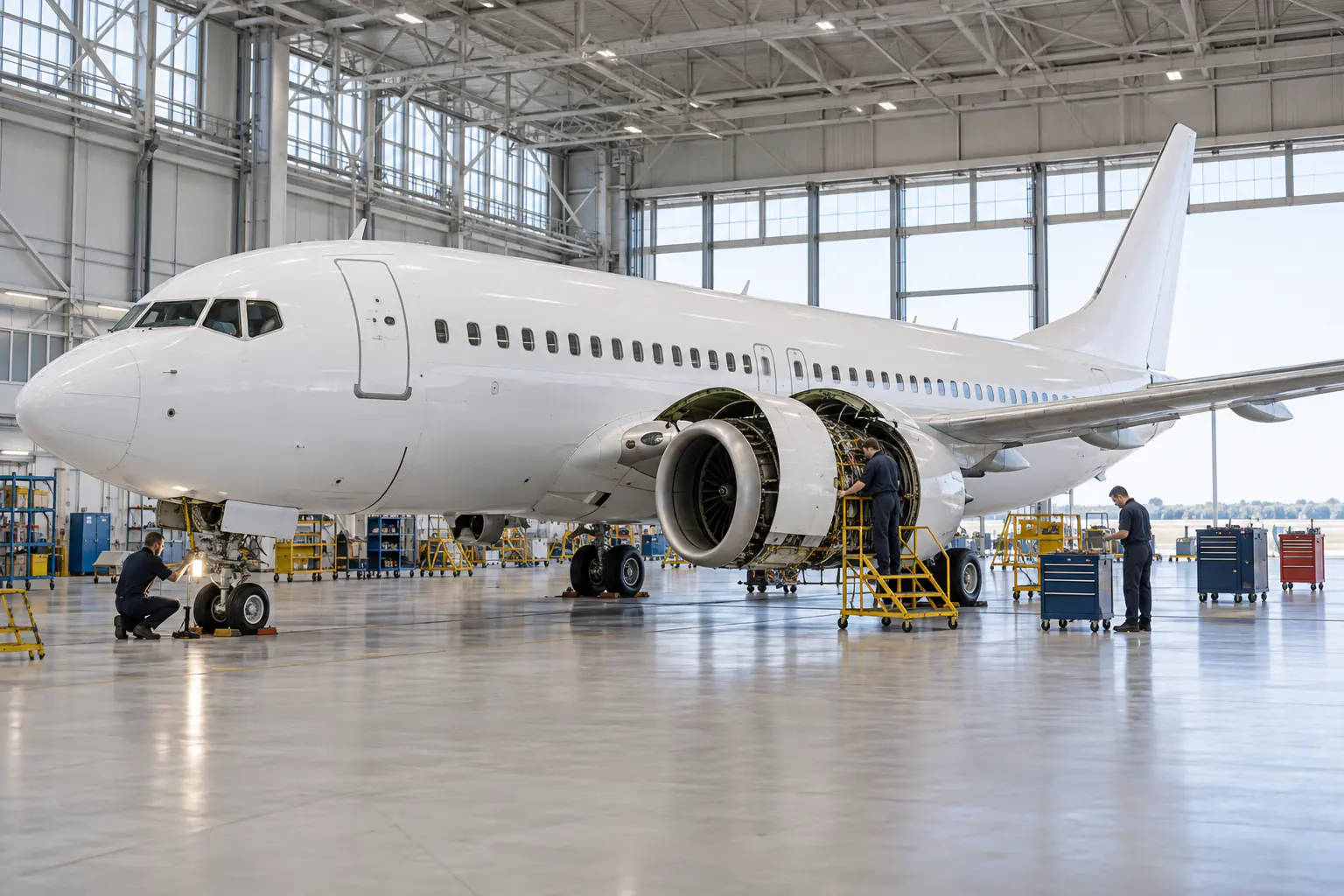
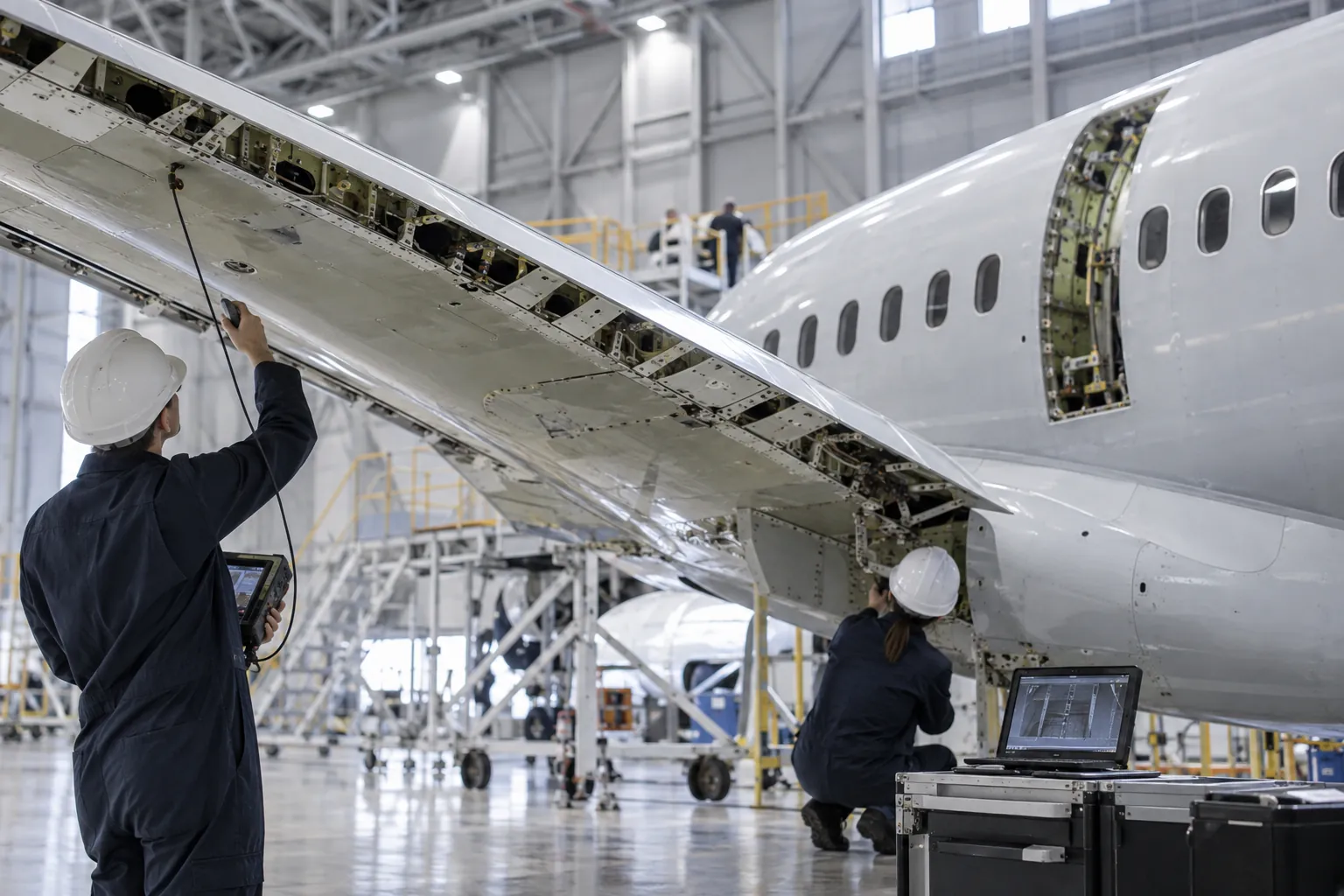
An individual aircraft needs the appropriate airworthiness certificate and must remain in a condition for safe operation under the applicable rules. Certification is the start of a controlled lifecycle that includes maintenance, inspections and safety directives, rather than the end of regulatory oversight.
Approval has a defined scope
A type certificate identifies the approved design and its limitations; it is not a blanket approval of every future configuration or operation. Changes may need separate assessment, while each produced aircraft must conform to the approved design and remain airworthy in service. When an airline announces a new capability, check whether it is certified, installed and approved for its intended operation.
International Flight News separates verified facts, durable context and editorial analysis. Time-sensitive reports identify their primary sources, publication date and material updates.