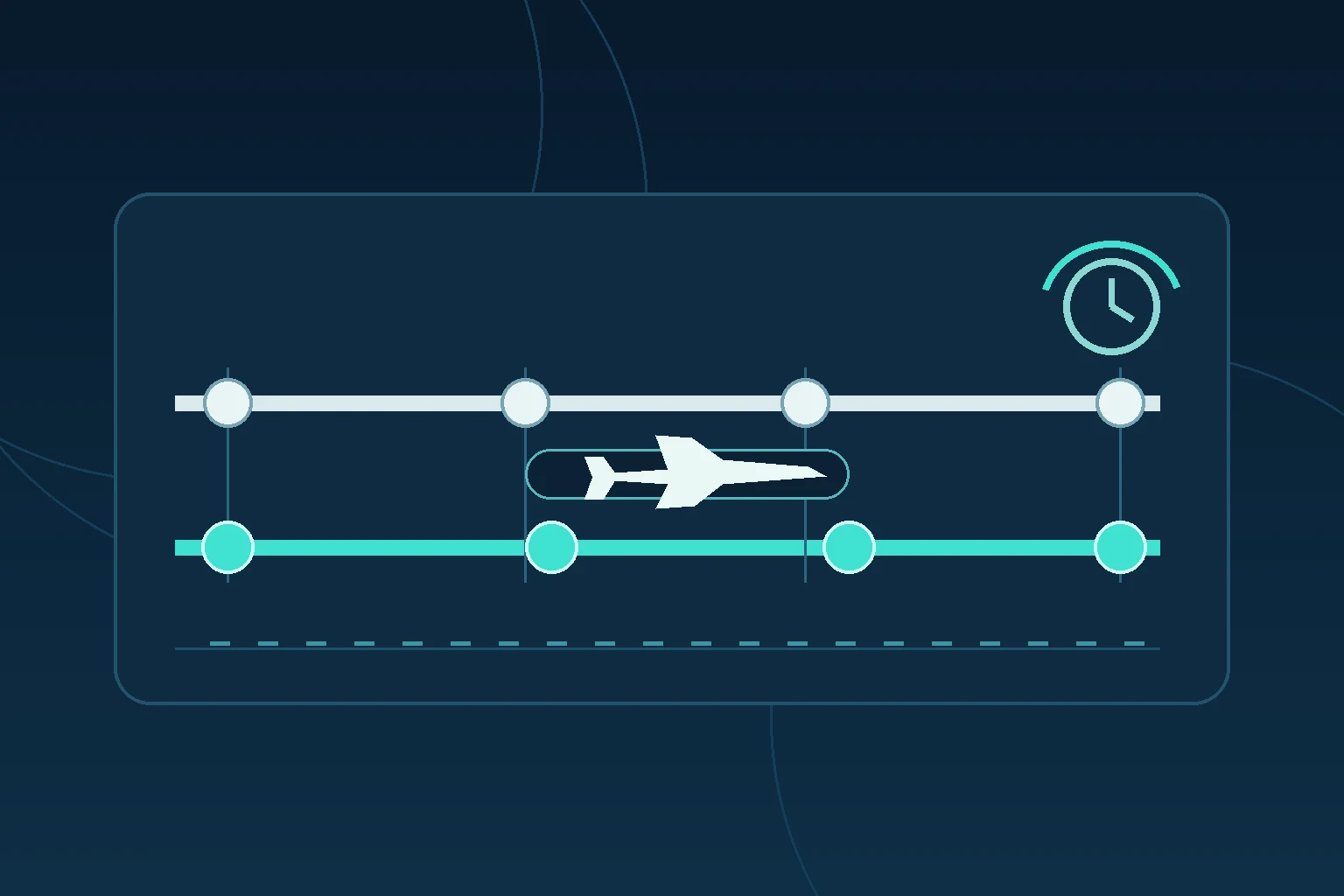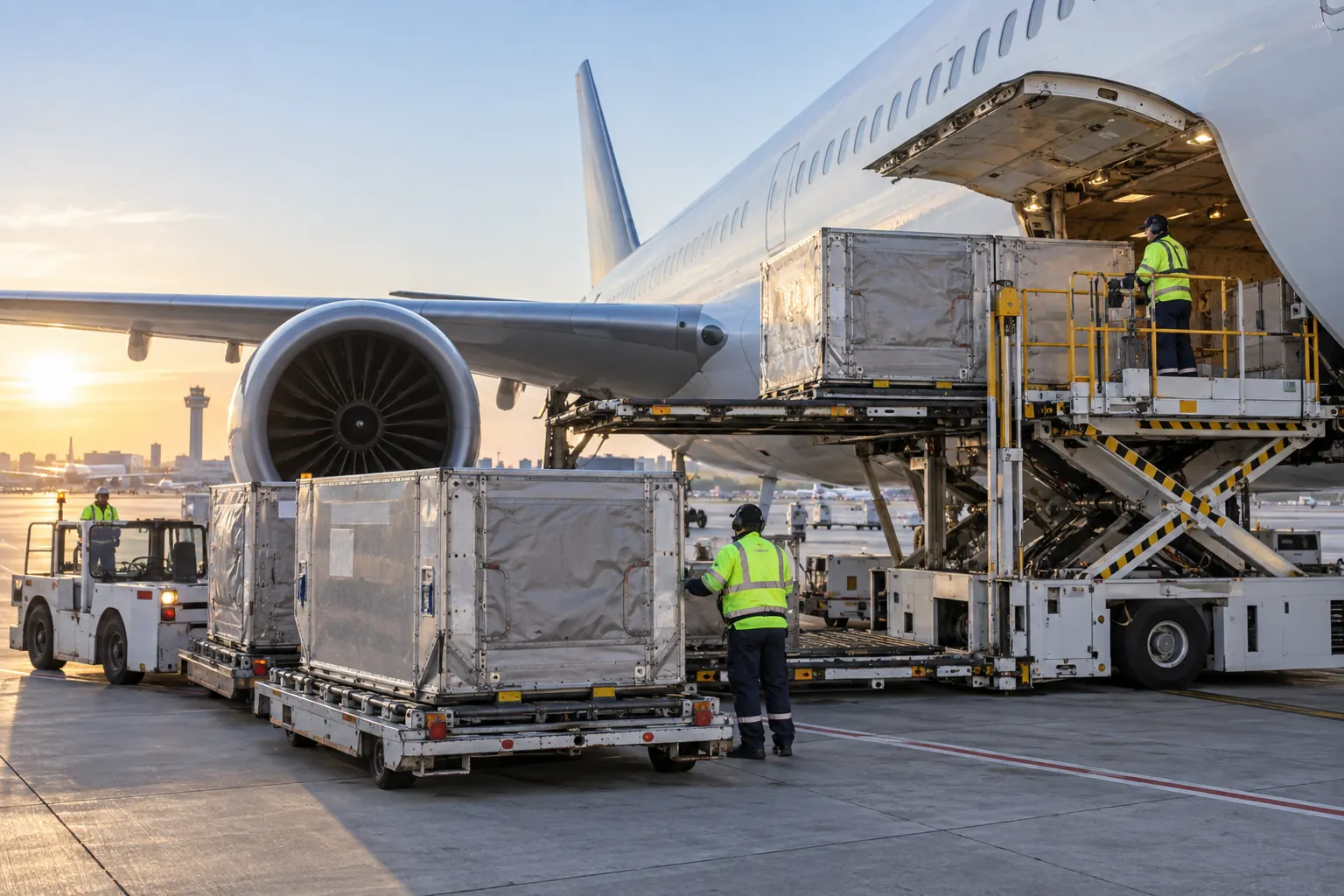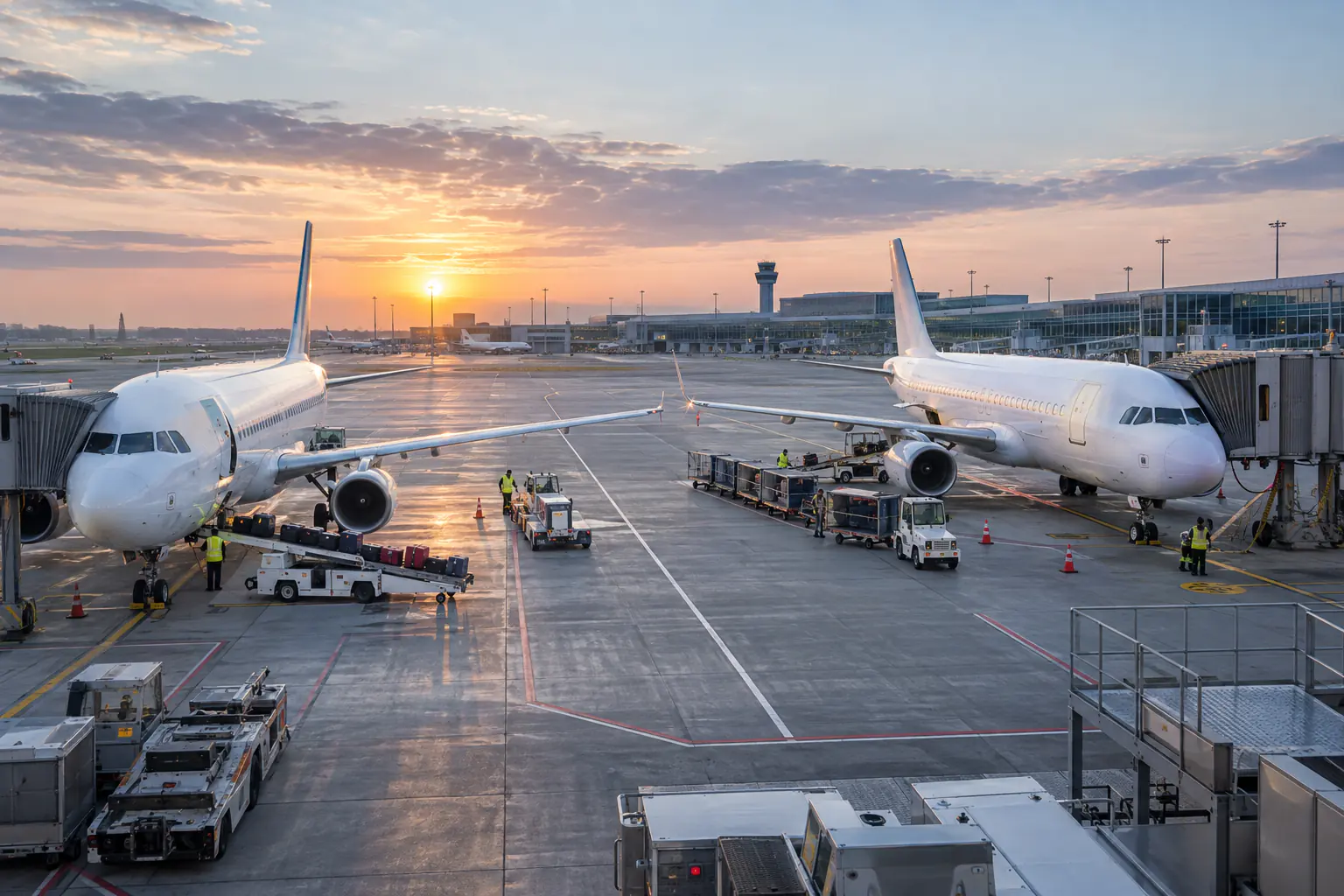
A delayed flight can affect aircraft, crews and passengers across a network.
Trace the knock-on effects
An aircraft arriving late may be needed for several later flights. Crew duty limits, airport operating hours and air traffic measures add constraints. An airline first checks which aircraft and people are available, then identifies where a change would cause the least further disruption.

Choose a workable plan
Operations teams may retime, swap aircraft, reroute or cancel services. Each option must satisfy safety, crew, airport and airspace rules. EUROCONTROL describes how network measures coordinate demand with available air traffic capacity.
Keep passengers informed
A published departure time is an estimate until the operating plan stabilises. Travellers should check the airline and airport directly for their flight status, connection and available assistance. A network recovery can continue after the original cause has cleared.
Why recovery takes longer than one delayed flight
A replacement aircraft does not solve a disruption if its crew is out of duty time, the arrival airport has a curfew or the next rotation lacks a gate. Airlines must decide which flights to protect, which passengers can connect and where crews and aircraft can end the day. A realistic recovery plan therefore uses the whole network, not only the most visible delayed departure.
International Flight News separates verified facts, durable context and editorial analysis. Time-sensitive reports identify their primary sources, publication date and material updates.