Understand the airflow
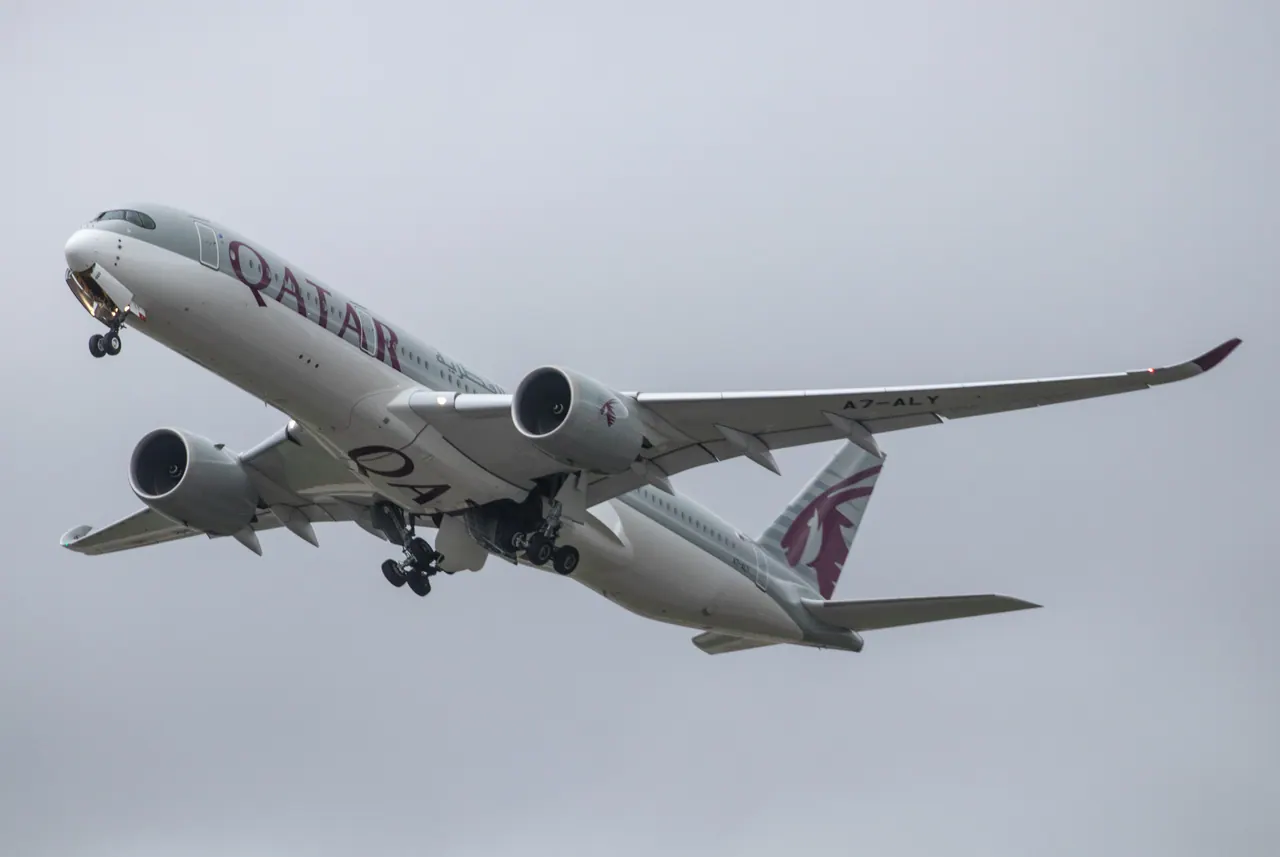
Pressure differences around a lifting wing create airflow around its tip and contribute to trailing vortices. Lift-induced drag is one part of aircraft drag. Winglets and other tip designs influence that airflow. The visible shape gives a clue to a design choice, but cannot by itself tell you the fuel use of a particular flight.
Different designs, different trade-offs
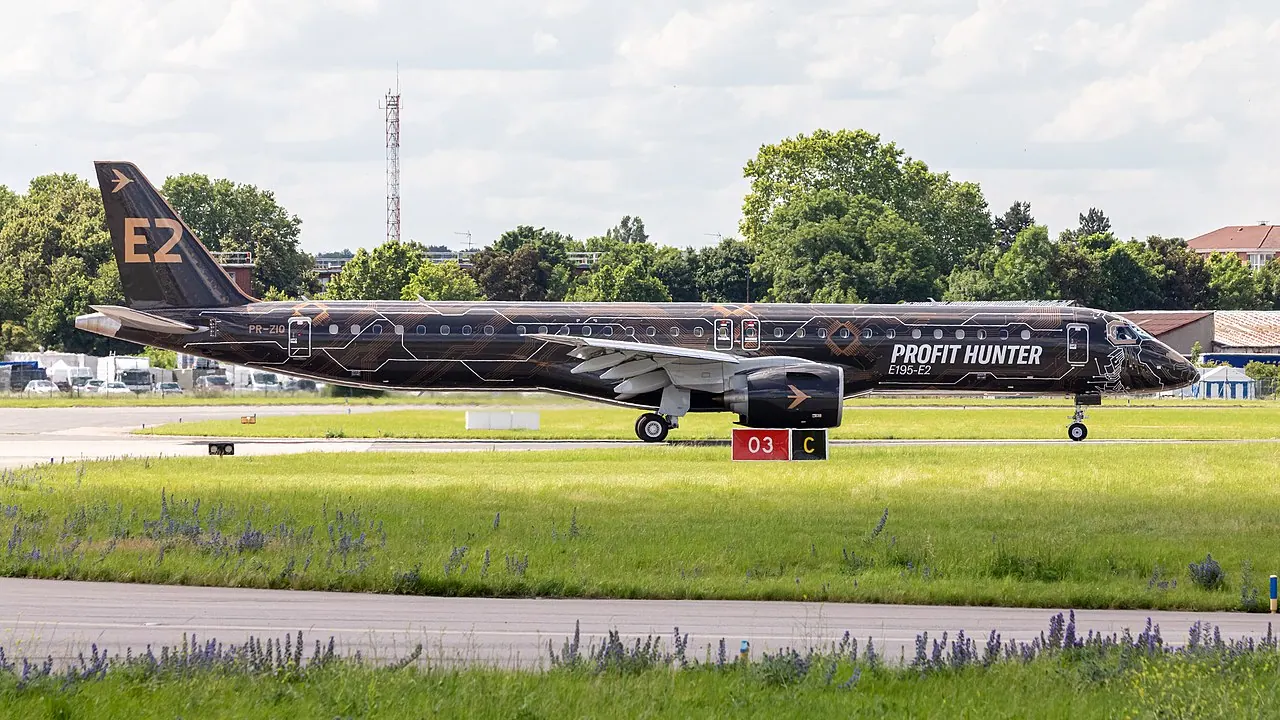
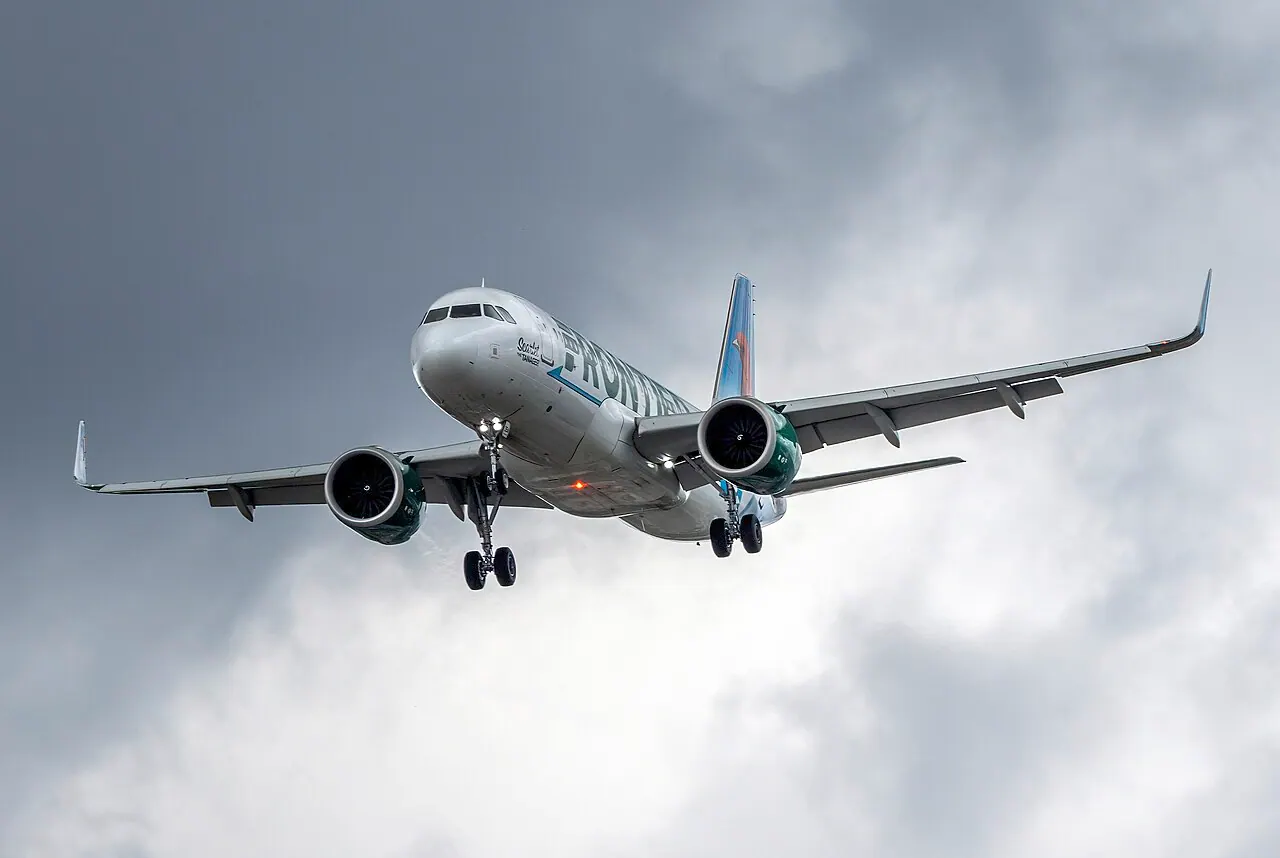
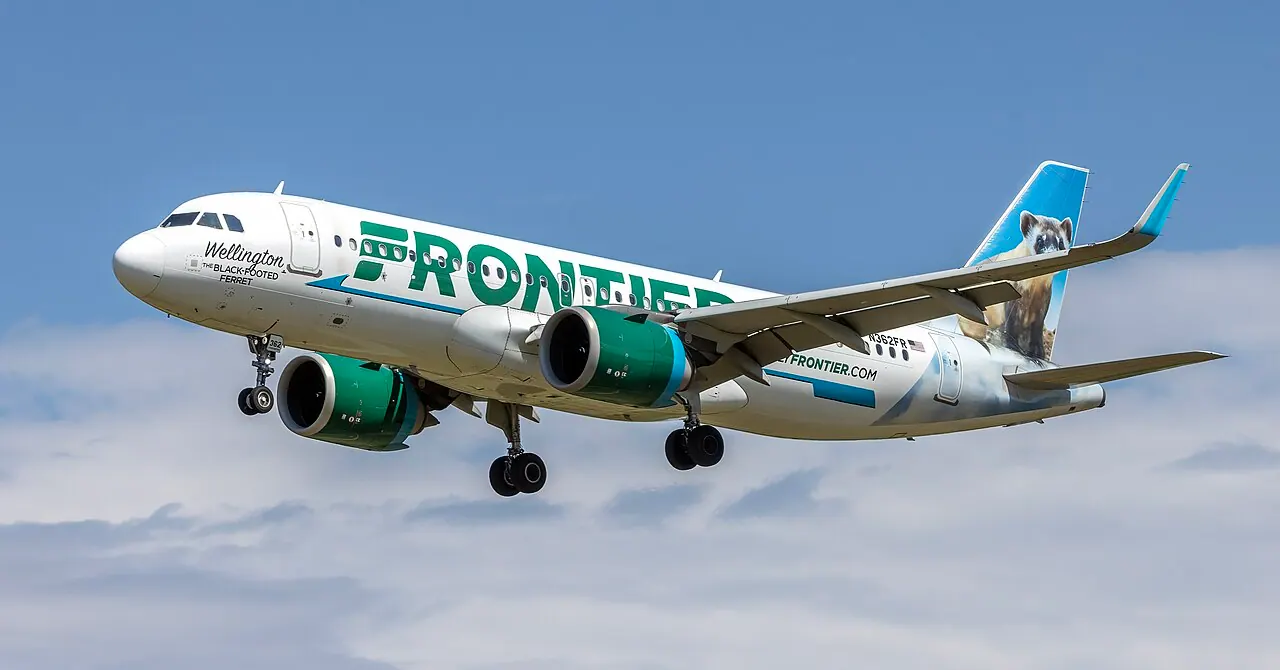
An upright winglet, a split-tip device and an extended or raked tip are not identical solutions. Designers consider aerodynamic benefit together with structure, mass, manufacturing and airport compatibility. A design works within the wing and aircraft system; adding a visible device is not a universal efficiency upgrade.
Read performance claims carefully
Check the baseline aircraft, mission length and configuration behind a quoted saving. Do not combine separate improvements by simply adding their percentages, or apply one model’s manufacturer claim to another. Actual fuel use also depends on payload, weather, route and operation. This guide deliberately avoids a single universal saving figure.
Compare what is actually installed
Photographs may show an older configuration, a retrofit or a different variant. Identify the model and the operator’s aircraft before interpreting a wingtip. A change can require approved design and installation work. Use manufacturer documentation for the specific variant and the article on certification for the distinction between a design proposal and approved service.
International Flight News separates verified facts, durable context and editorial analysis. Time-sensitive reports identify their primary sources, publication date and material updates.