Pitch is not legroom
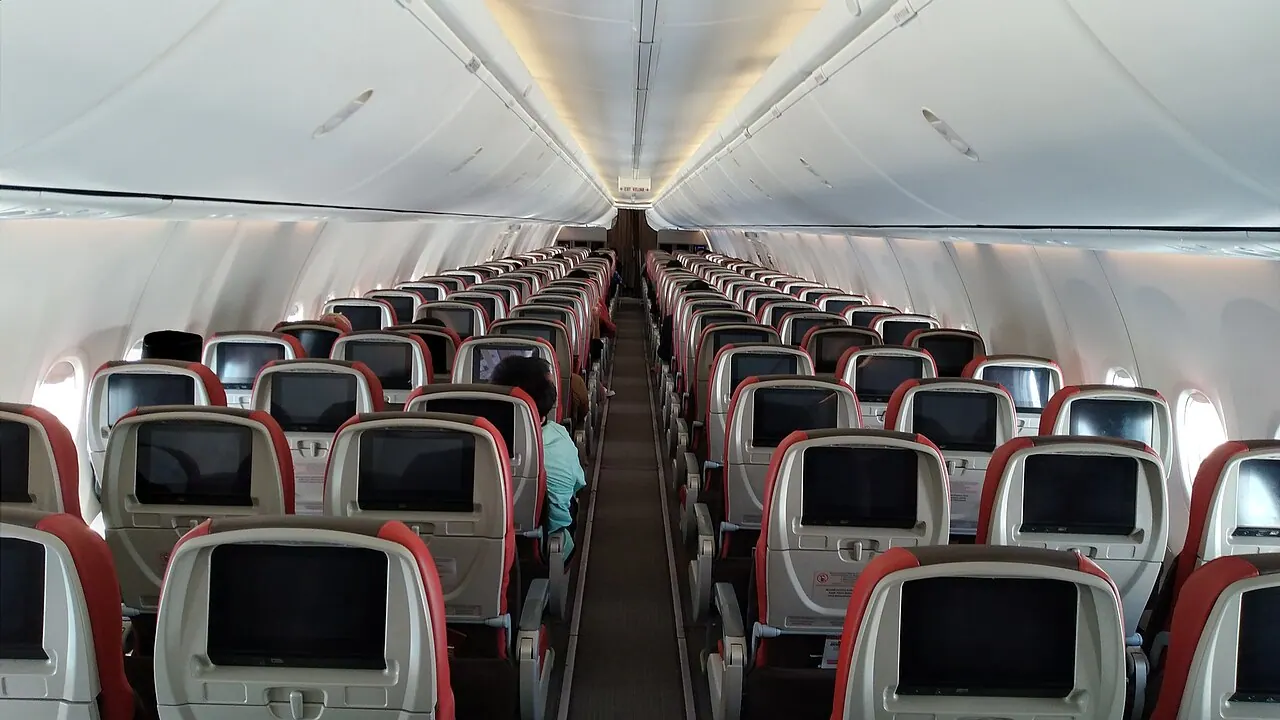
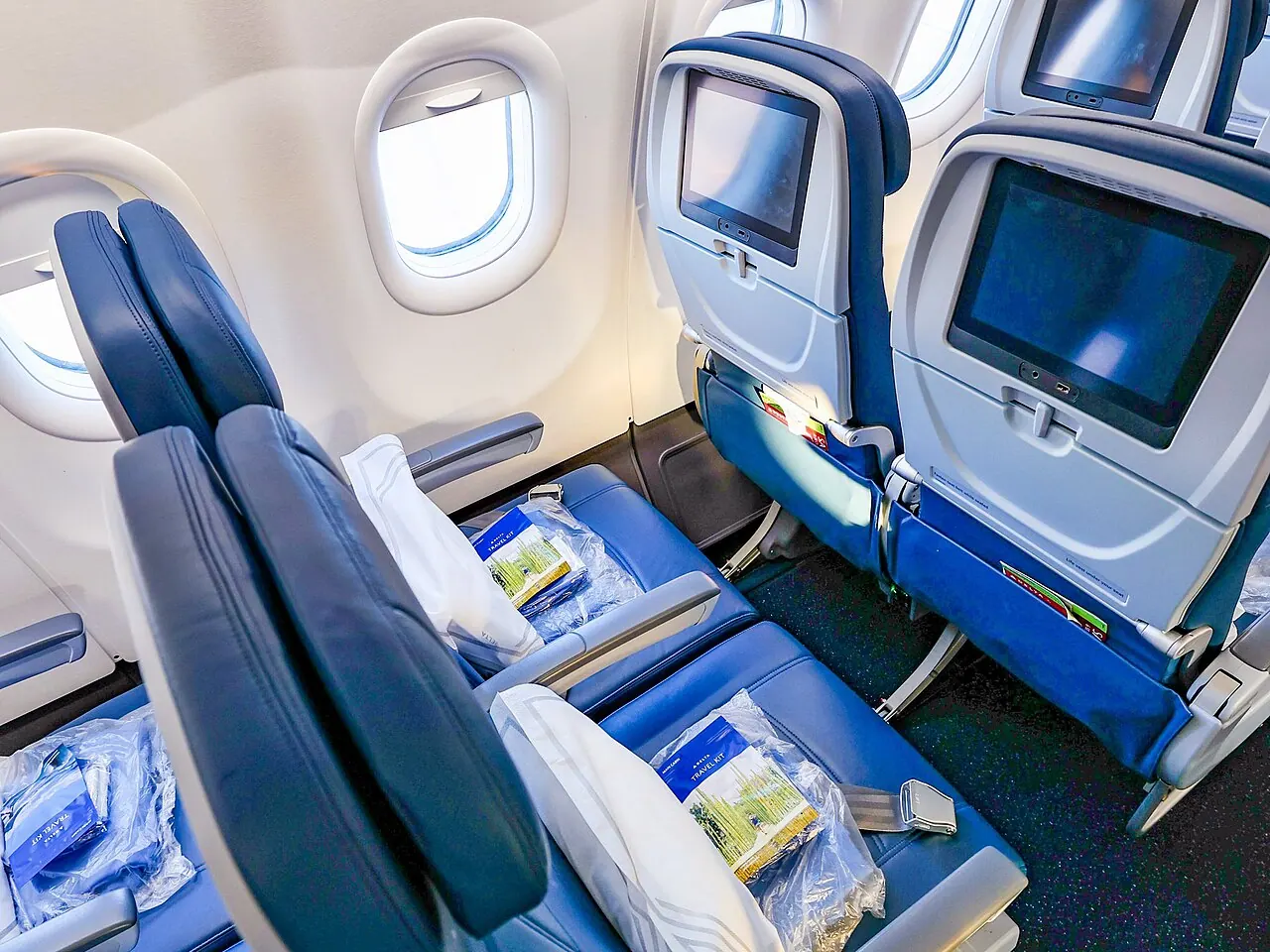
Seat pitch measures the spacing between corresponding points on consecutive seats. Usable knee space also depends on the seat-back shape, recline and obstacles around the seat. Seat width is another measurement and can be defined differently around armrests. A single number does not fully describe how a particular seat feels.
Find the operator’s actual configuration
Start with the operating airline’s seat map for the scheduled flight, not a generic manufacturer diagram. The same model may have several cabin versions within one airline. A substitution can change the layout. Identify cabin class, row, seat position and any published dimensional definition before comparing two products.
Treat special rows separately
A bulkhead can change where a bag is stored during takeoff and landing. An exit row can have eligibility restrictions and different seat features. Window alignment, recline and obstructions vary by layout. Use the carrier’s descriptions instead of assuming every extra-legroom seat offers the same experience.
Compare service with dimensions
Check whether the displayed seat price covers advance selection, additional space or a particular cabin product. Keep baggage, meals and flexibility separate in the comparison. Manufacturer maximum seating is a capacity limit, not the installed cabin or a comfort score. The aircraft comparison tool makes those configurations explicit.
International Flight News separates verified facts, durable context and editorial analysis. Time-sensitive reports identify their primary sources, publication date and material updates.