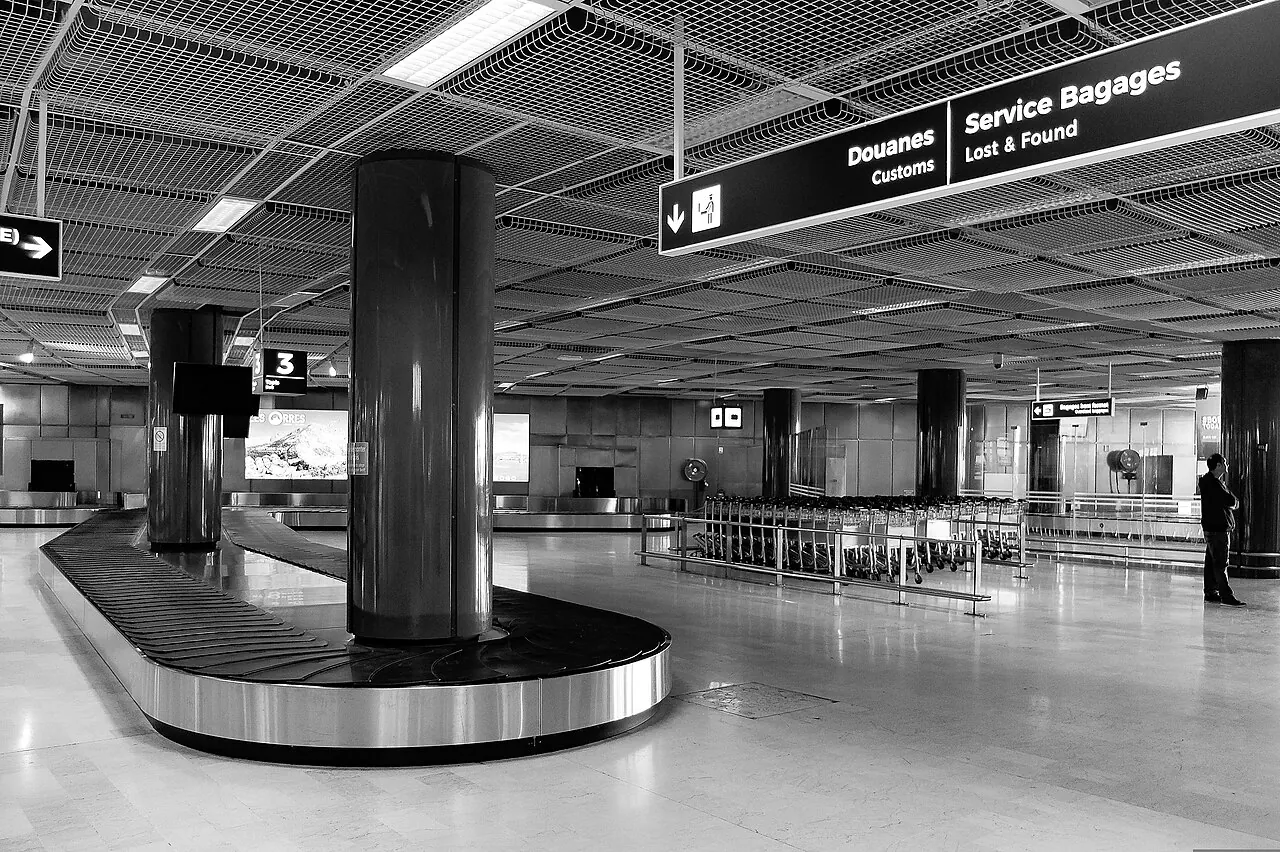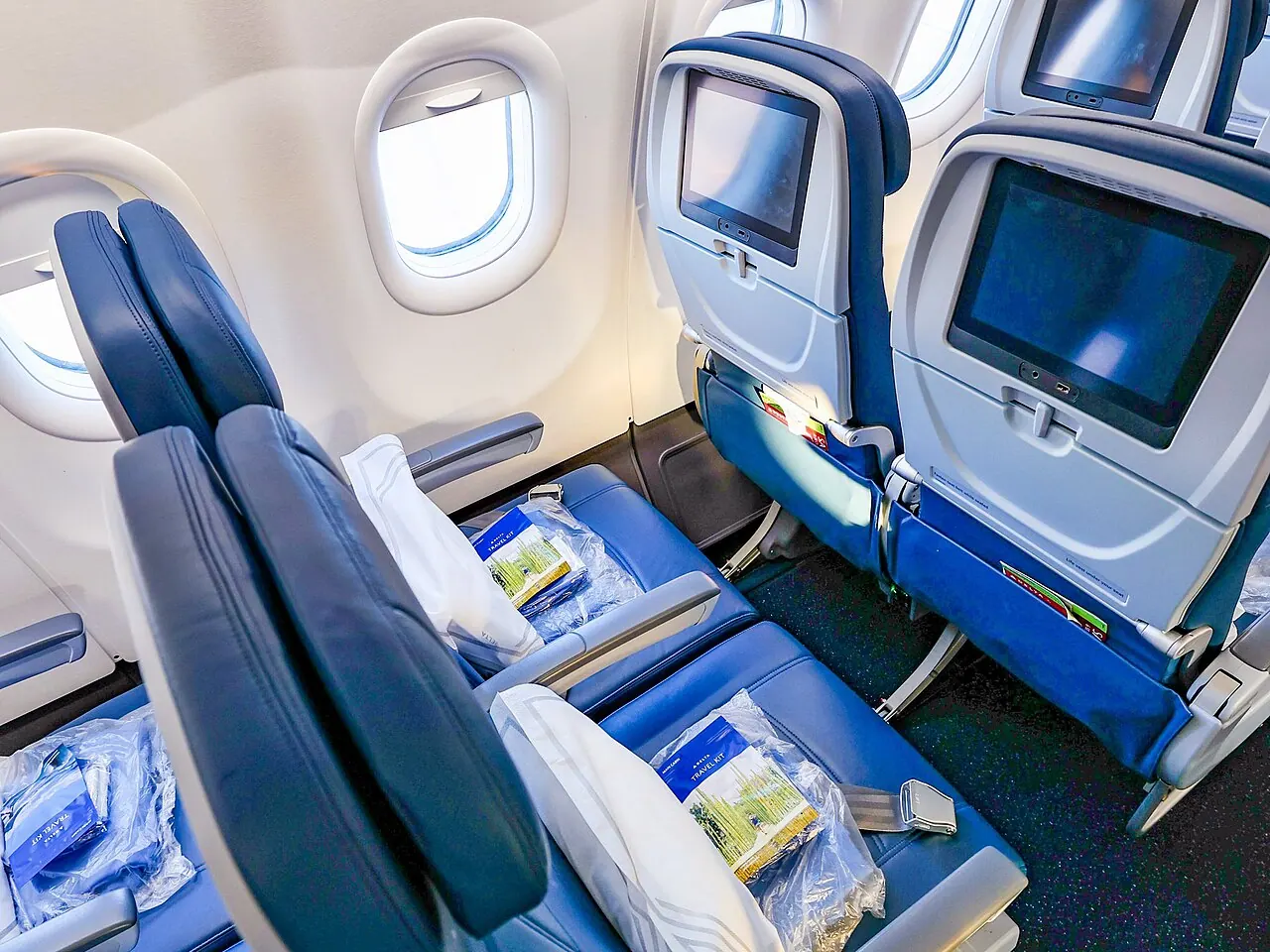
A change of baggage location matters
A bag prepared for the cabin may contain items that should not travel in the hold. If staff ask to check it at the gate, pause before handing it over. Identify spare batteries, power banks, valuable items, travel documents and anything you need during the flight or connection. Do not assume cabin acceptance means every item is accepted as checked baggage.
Protect spare batteries
IATA states that spare batteries are not allowed in checked baggage. Keep permitted spare batteries and power banks with you and protect their terminals against short circuits. Capacity, condition and airline restrictions matter; check the operating carrier’s current instructions, including whether use or charging on board is prohibited. This checklist does not override stricter rules.
Prepare a small removable pouch
Put essential documents and permitted battery items in an accessible pouch before reaching the gate. This makes it easier to comply when bins fill up. Confirm the new baggage tag and whether the bag will be returned at the aircraft or at baggage reclaim. Gate checking describes where a bag is accepted, not a universal delivery procedure.
Report a problem immediately
Do not pack a damaged or recalled battery as if it were routine luggage. If a device overheats, smokes or behaves abnormally during the journey, alert staff or crew promptly and follow their instructions. For battery-powered mobility aids, discuss the specific device and handling arrangements with the airline in advance rather than relying on a generic baggage allowance.

International Flight News separates verified facts, durable context and editorial analysis. Time-sensitive reports identify their primary sources, publication date and material updates.