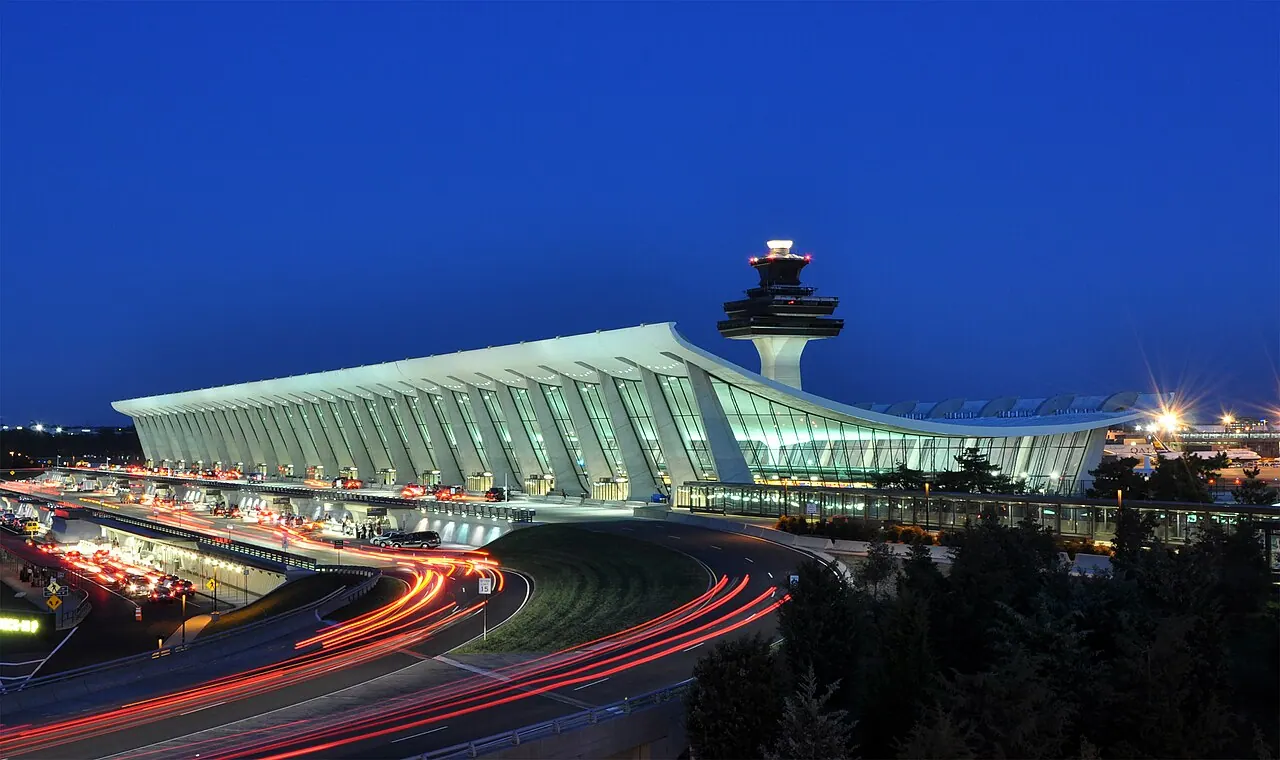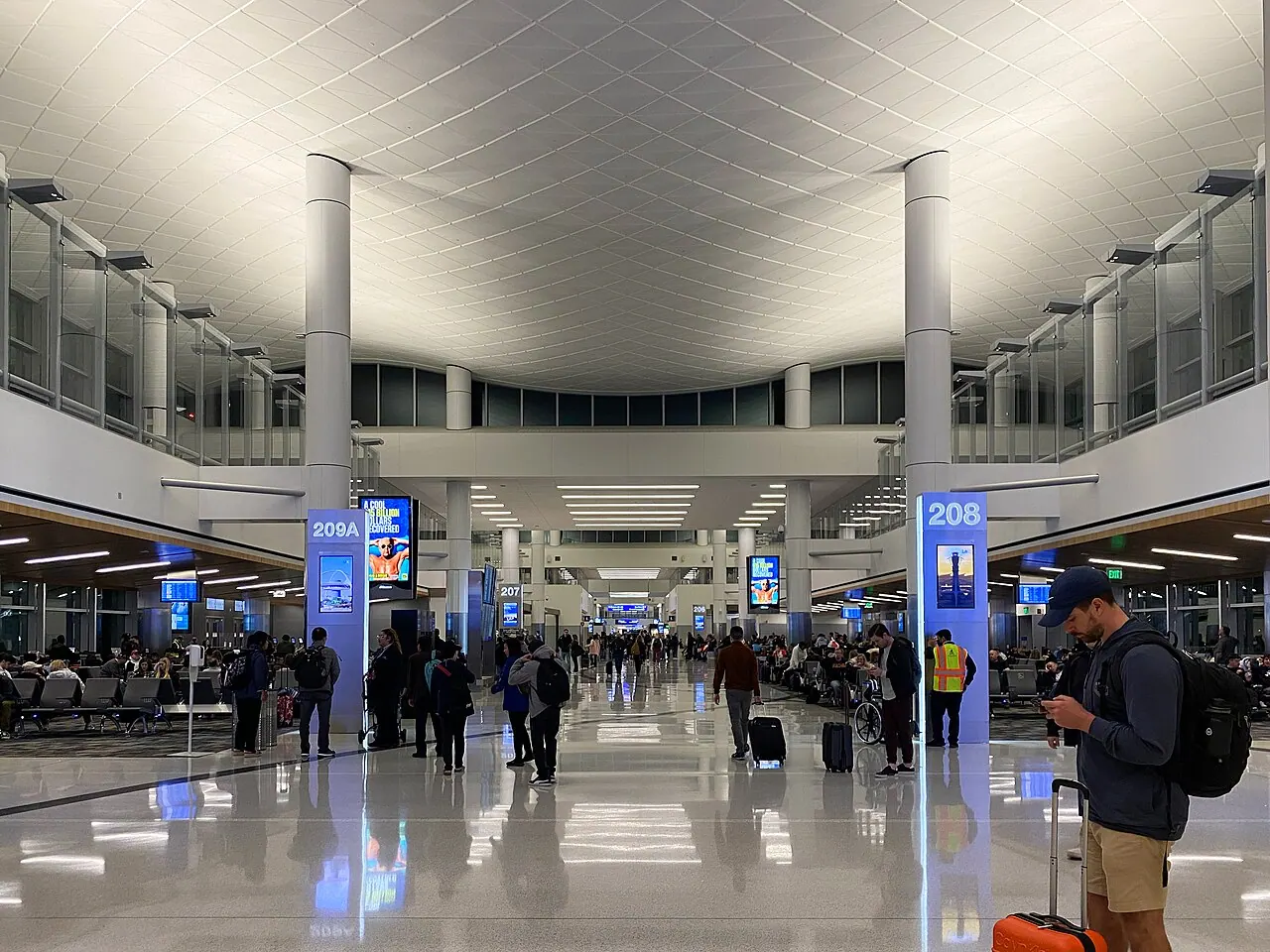
Locate the actual station
An airport-branded station can be inside the terminal campus or require a onward transfer. Check the airport’s official directions for your terminal. Manchester Airport’s page illustrates why a station-to-terminal walk is a separate part of the journey; do not copy that airport’s walking estimate to another airport.
Separate the two tickets
A train and a flight sold in one shopping session are not necessarily a protected combined itinerary. Identify the contractual arrangement, the provider handling disruptions and whether you must buy another ticket after a missed connection. A flexible rail ticket and an integrated air–rail product can have very different conditions.
Plan the arrival buffer
Add the station exit, terminal walk or shuttle, bag drop, security and boarding cut-offs to your planning. The final train of the day creates a different risk from a frequent daytime service. Check the dated timetable and planned engineering work with the rail operator. Do not assume train frequency or terminal access remains unchanged.
Prepare a recovery option
For the return journey, allow for disembarkation, border formalities and baggage delivery before booking a tightly timed train. Compare alternative trains, ticket flexibility and ground transport. Travellers needing assistance should coordinate both rail and airport services; support on one part of the journey does not automatically book the other.
International Flight News separates verified facts, durable context and editorial analysis. Time-sensitive reports identify their primary sources, publication date and material updates.